

Home / Environment / Conflict Risks Marine Life in Vital Persian Gulf Strait
Conflict Risks Marine Life in Vital Persian Gulf Strait
17 Apr
Summary
- Oil slicks detected in the region pose risks to protected wetlands.
- Strait hosts diverse coral reefs, crucial for studying climate resilience.
- Oil exposure severely impacts marine animals' heart, immune, and nervous systems.
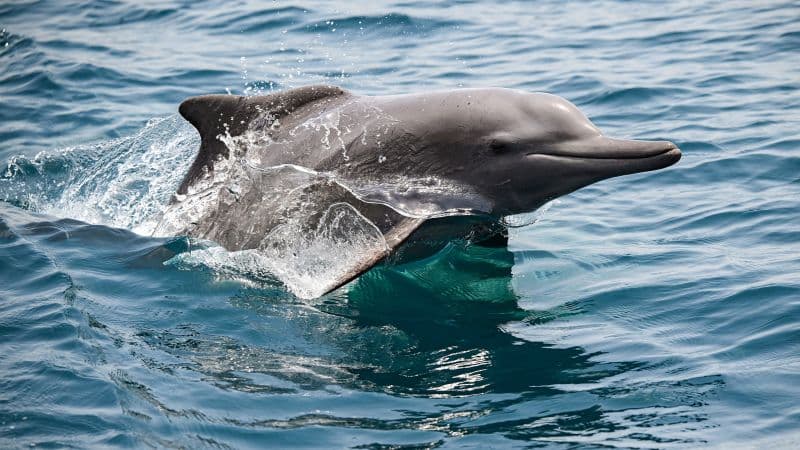
The Strait of Hormuz, a critical passage between Iran and Oman, is home to a remarkably diverse marine ecosystem, including unique coral populations and various animal species. This vital region, situated at a transition zone between the Gulf of Oman and the Persian Gulf, supports a rich biodiversity that scientists are studying for insights into coral resilience against climate change.
However, the escalating conflict in the region has heightened concerns over potential oil spills. Numerous vessels are trapped, carrying significant amounts of oil, and at least 16 attacks on ships have occurred since the war began. Researchers have documented oil slicks, with one incident linked to an Iranian vessel potentially endangering protected wetlands near the Khuran Strait.
