feedzop-word-mark-logo
searchLogin
Feedzop
homeFor YouUnited StatesUnited States
You
bookmarksYour BookmarkshashtagYour Topics
Trending
trending

Snow squall warning issued

trending

Crans-Montana bar fire tragedy

trending

LAPD refuses to pay damage

trending

Bitcoin ATM fraud rises

trending

Beyonce joins billionaires club

trending

Flash flood watch: Rose Bowl

trending

New Year's Day Parade London

trending

Noah Schnapp: Will's coming out

trending

Sarfaraz Khan scores 157

Terms of UsePrivacy PolicyAboutJobsPartner With Us

© 2026 Advergame Technologies Pvt. Ltd. ("ATPL"). Gamezop ® & Quizzop ® are registered trademarks of ATPL.

Gamezop is a plug-and-play gaming platform that any app or website can integrate to bring casual gaming for its users. Gamezop also operates Quizzop, a quizzing platform, that digital products can add as a trivia section.

Over 5,000 products from more than 70 countries have integrated Gamezop and Quizzop. These include Amazon, Samsung Internet, Snap, Tata Play, AccuWeather, Paytm, Gulf News, and Branch.

Games and trivia increase user engagement significantly within all kinds of apps and websites, besides opening a new stream of advertising revenue. Gamezop and Quizzop take 30 minutes to integrate and can be used for free: both by the products integrating them and end users

Increase ad revenue and engagement on your app / website with games, quizzes, astrology, and cricket content. Visit: business.gamezop.com

Property Code: 5571

You may also like

Ancient Bees Nested in Fossil Teeth Sockets!

18 Dec, 2025 • 51 reads

article image

Serengeti Rains Fuel Bigger Wildfires

17 Dec, 2025 • 90 reads

article image

Ancient Plants Heat Up to Attract Beetles

12 Dec, 2025 • 92 reads

article image

New 'Horned' Bee Species Discovered in Remote Australia

10 Dec, 2025 • 115 reads

article image

Filmmaker Laxe on Awards Grind: Lost Items & Amazon Dreams

29 Nov, 2025 • 147 reads

article image

Home / Environment / World's Oldest Bees Now Have Legal Rights

World's Oldest Bees Now Have Legal Rights

30 Dec, 2025

•

Summary

  • Stingless bees in Peru's Amazon now have legal rights to exist.
  • These ancient pollinators face threats from deforestation and pesticides.
  • Africanised 'killer bees' are outcompeting native stingless bees.
World's Oldest Bees Now Have Legal Rights

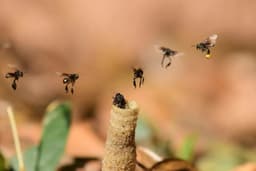
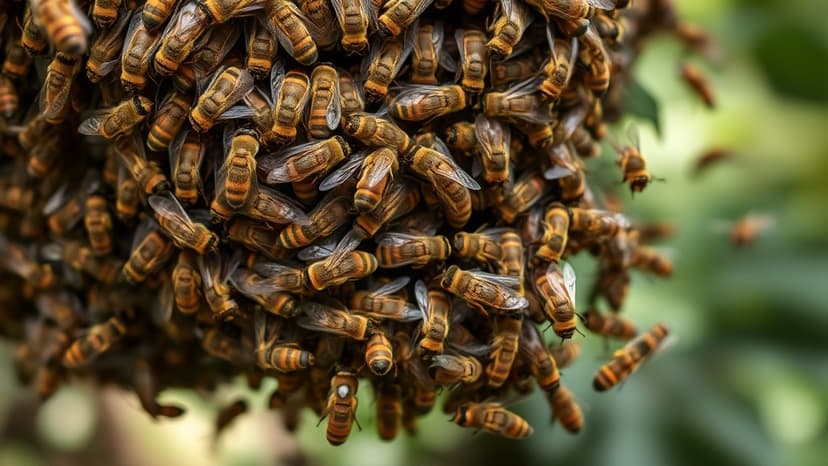
The Amazon's stingless bees, the planet's oldest bee species, have been granted legal rights in a world-first initiative in Peru. These vital pollinators, crucial for over 80% of the Amazon's flora, now possess the right to exist and flourish in two Peruvian regions. This development follows extensive advocacy and research into the significant threats they face, including climate change, deforestation, and pesticide use.

Indigenous communities have cultivated these native bees since pre-Columbian times, recognizing their profound ecological and medicinal value. However, recent observations indicate a troubling decline in their populations, making them harder to find. Compounding these challenges, the presence of aggressive Africanised honeybees, known as 'killer bees,' has led to them outcompeting the gentler stingless bees within their native habitats.

The newly enacted ordinances mandate policies for the bees' survival, encompassing habitat restoration, strict pesticide regulation, and climate change mitigation. This pioneering legal recognition is expected to inspire similar conservation efforts globally, highlighting the essential role of these pollinators and the traditional knowledge surrounding them.

Disclaimer: This story has been auto-aggregated and auto-summarised by a computer program. This story has not been edited or created by the Feedzop team.
Stingless bees are being granted legal rights to protect them from threats like deforestation and pesticides, recognizing their crucial role in the Amazon's ecosystem.
They face threats from climate change, deforestation, pesticide use, and competition from Africanised 'killer bees'.
Stingless bees are primary pollinators, sustaining biodiversity and ecosystem health by pollinating over 80% of the Amazon's flora.

Read more news on

Environmentside-arrowPeruside-arrow