
Home / Environment / Tribe Restores Wetlands, Salmon Nursery
Tribe Restores Wetlands, Salmon Nursery
4 May
Summary
- Stillaguamish Tribe removed two miles of levee to restore wetlands.
- The restored 230-acre wetland is a crucial Chinook salmon nursery.
- Habitat restoration aims to aid salmon and reduce flood damage.
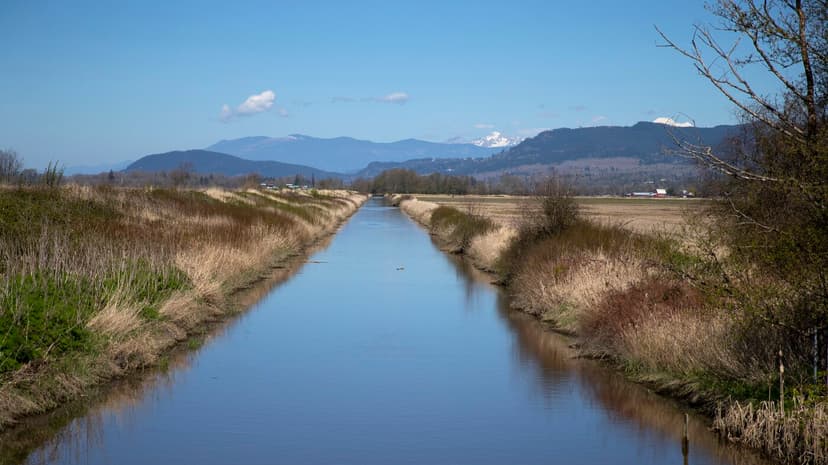
The Stillaguamish Tribe has undertaken a significant environmental restoration project, removing two miles of earthen levee to create a 230-acre tidal wetland near Stanwood, Washington. This initiative aims to re-establish vital habitat for Chinook salmon, a federally threatened species.
Historically, the removed levee separated farmland from the river and tidewaters. The tribe's decision to breach it allows saltwater to return to the area for the first time in over a century, creating a crucial nursery for young salmon.
Beyond ecological benefits, the project also addresses flood risk. By allowing the Stillaguamish River to spread into its natural floodplain, the restored area can dissipate floodwaters, reducing damage to surrounding infrastructure. The tribe has also constructed a new, taller levee further from the river to enhance protection.
This land transformation reflects a broader effort by the Stillaguamish Tribe to purchase and restore habitat within their traditional territory. While challenging due to the historical context of land treaties, the tribe sees these habitat projects as essential for recovering salmon populations and their traditional way of life.
The restoration also involves strategic channel digging to aid marsh development, with archaeological finds indicating long-term human presence. Recent storms in December 2025, which caused significant flooding in Washington and Oregon, highlighted the ongoing need for such flood mitigation strategies.
