Home / Environment / Spain's Winter Bloom: Arid Lands Burst with Color
Spain's Winter Bloom: Arid Lands Burst with Color
28 Feb
Summary
- Unusually heavy January rainfall revitalized Spain's arid Almería province.
- Vibrant wildflowers, including invasive species, now carpet the landscape.
- Drought risks increase if spring remains dry, threatening wildlife food sources.
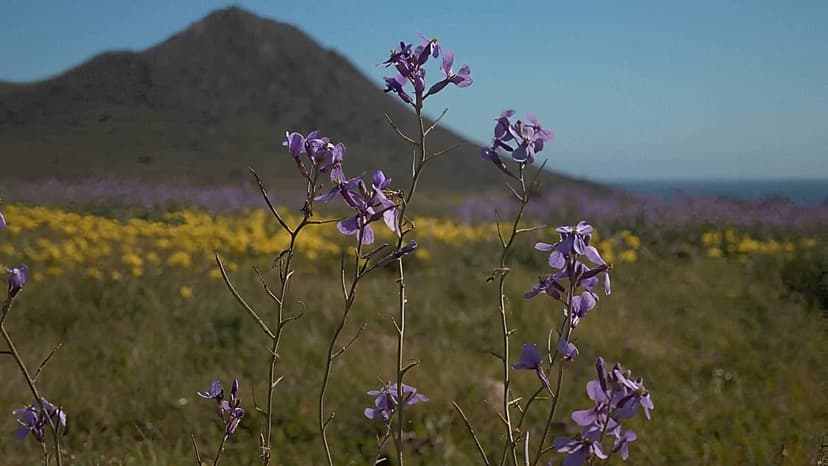
Record-breaking rainfall in January has transformed the typically arid landscape of Spain's Almería province into a stunning display of wildflowers. This unexpected winter bloom, driven by precipitation around 85% above the long-term average for Spain, has brought vibrant yellows, whites, and violets to the Cabo de Gata-Níjar Natural Park.
Local guides are taking advantage of the phenomenon, which contrasts sharply with the area's usual dry, desert-like appearance. Botanists confirm the increased vegetation is excellent news for biodiversity, providing vital food sources for invertebrates and subsequently vertebrates. However, concerns linger about the potential for increased wildfire risks if spring rainfall remains low, turning the abundant annual vegetation into dry, flammable pasture.
While the spectacle attracts tourists, experts highlight the environmental concern posed by invasive species like the Bermuda buttercup. They urge visitors to practice responsible tourism, respecting the delicate natural balance and avoiding disturbance to native flora amidst the widespread monoculture of invasive yellow flowers.