Home / Environment / Heatwaves Fuel Wildfire Crisis in Southern England
Heatwaves Fuel Wildfire Crisis in Southern England
25 Jul
Summary
- Wildfires are defined as uncontrolled vegetation fires needing emergency response.
- Human carelessness, like discarded cigarettes and barbecues, causes most fires.
- Climate change exacerbates wildfire risk with hotter, drier summers.
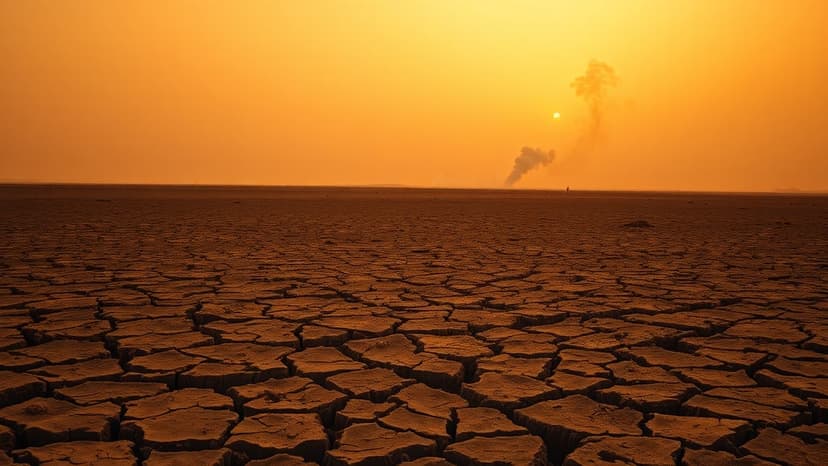
Wildfires are becoming a frequent concern in southern England, particularly during the current summer heatwaves. The hot, dry weather significantly increases the risk of these uncontrolled vegetation fires, which are defined as serious enough to require an emergency response. Recent incidents have included large heathland and forest fires across the region.
In England and Wales, wildfire incidents have reached record levels in recent years, with climate change cited as a primary driver for their increasing risk and severity. These fires can burn for extended periods, demanding extensive resources from firefighters.
Most wildfires are preventable and stem from human carelessness. Common causes include unattended campfires, discarded cigarettes, disposable barbecues, improper debris burning, and fireworks. In dry conditions, even glass bottles left in sunlight can ignite vegetation.
The '30-30-30 rule' highlights dangerous conditions: wind speeds over 30 km/h, temperatures above 30°C, and relative humidity below 30% can lead to extreme fire behavior. Government reports indicate that hotter, drier summers caused by climate change make vegetation a more available fuel source, facilitating rapid fire spread.
Fire and rescue services emphasize that while activity might not have reached exceptional 2025 levels, it remains significantly high. They urge the public to play their part by practicing fire safety, properly extinguishing cigarettes, being careful with barbecues, and educating young people about fire dangers, especially during school holidays.


