Home / Environment / Snow Falls in Deserts: A Surprising Climate Reality
Snow Falls in Deserts: A Surprising Climate Reality
10 Feb
Summary
- Deserts are defined by low rainfall, not heat, allowing for snow.
- Snowmelt provides crucial moisture for desert plants and animals.
- Climate change may alter snowfall patterns in desert regions.
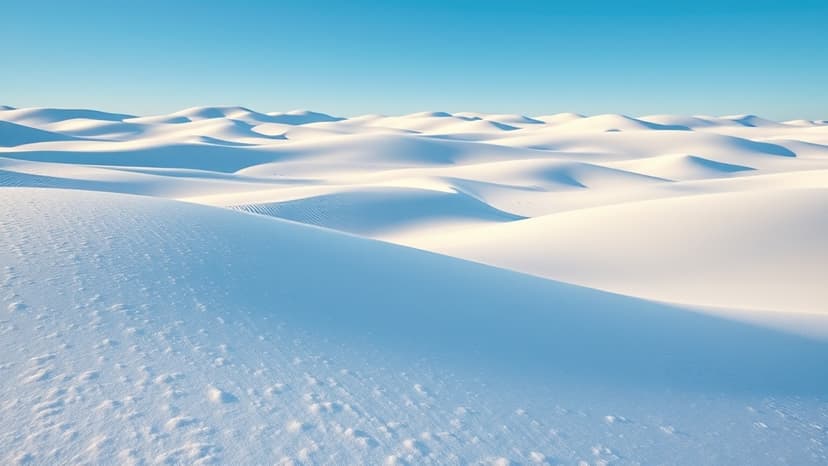
Deserts are defined by their lack of rainfall, not their temperature, leading to unexpected snowy landscapes in various regions globally. From the Gobi in Mongolia to the Great Basin in the US, and even parts of the Sahara in Northern Africa, snowfall can occur. The Patagonian Desert in Argentina and high-altitude areas of Chile's Atacama Desert also experience winter snow.
These snowy phenomena are primarily caused by sharp temperature swings, particularly at night or in high-altitude deserts far from oceanic influence. Freezing temperatures combined with available moisture create conditions for snow. While rare in some locations like the Sahara, it is a regular winter occurrence in others.
The temporary snow cover in these arid environments plays a critical role in their ecosystems. Meltwater provides essential moisture, supporting plant growth, insect and animal survival, and replenishing underground water reserves. This highlights the complex adaptations of life in these harsh settings.