Home / Environment / Beyond 2.6°C: Singapore's Shade Science
Beyond 2.6°C: Singapore's Shade Science
5 Aug
Summary
- European study's 2.6°C cooling figure was not measured locally.
- Local research shows shade cools felt heat by over 3°C.
- Building shade drives energy savings, not just outdoor air temp.
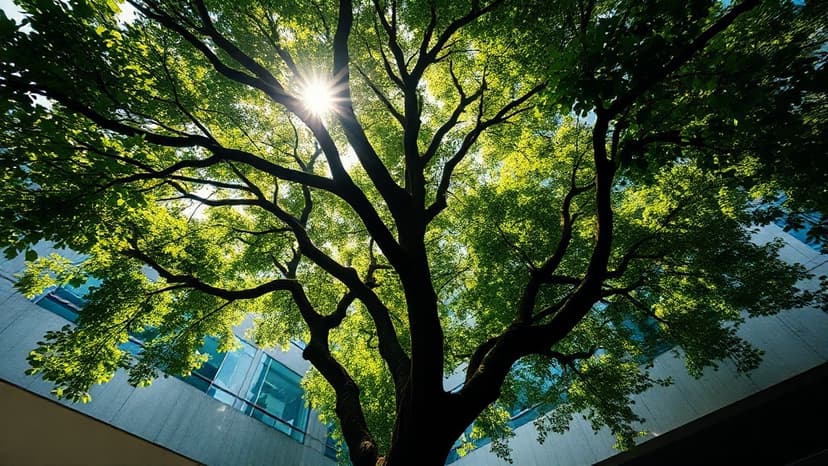
Singapore leverages trees to combat rising urban temperatures, with planning documents frequently referencing a potential 2.6 degrees Celsius drop in street-level heat. This figure traces back to a 2013 German study on temperate climate tree species, not local Singaporean conditions. Recent research conducted in December 2024 across Singapore, however, has provided locally relevant data.
Measurements comparing shaded and sunlit sites showed that while air temperature reduction was modest, the perceived heat for people decreased by an average of 3.1 degrees Celsius, according to the Universal Thermal Climate Index. This index accounts for factors beyond air temperature, such as radiant heat and humidity.
Modelling studies further suggest that the primary benefit of shade in cities like Singapore lies in reducing the energy needed for building cooling, averaging 6 to 9 percent in summer. This energy saving is largely attributed to shade falling directly on building surfaces, rather than solely on ambient air temperature reduction.
However, tree shade presents trade-offs. It can trap heat overnight in dense urban areas and may obstruct cooling breezes if planted in natural wind corridors. Singapore's National Parks Board is advancing its OneMillionTrees initiative, aiming to plant a million additional trees by the end of 2027, ahead of its original schedule. Researchers advocate for a mixed strategy, combining mature tree canopies with immediate solutions like awnings and shelters for faster cooling.


