Home / Environment / Shrimp Sounds Lure Oysters to Clean Toxic Waters
Shrimp Sounds Lure Oysters to Clean Toxic Waters
1 Dec, 2025
Summary
- Baby oysters are attracted to underwater shrimp sounds.
- Donated oyster shells will help build new native reefs.
- Restored reefs filter water and combat harmful algal blooms.
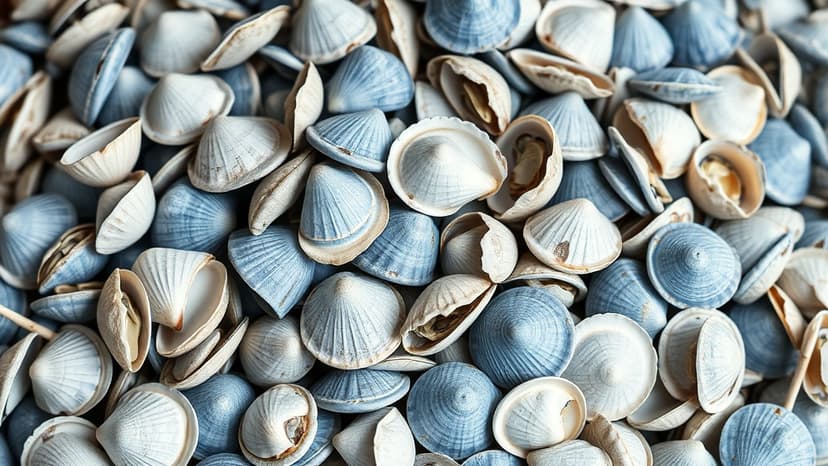
A pioneering program in South Australia is leveraging the sound of snapping shrimp to revitalize native oyster reefs and combat harmful algal blooms. Underwater speakers will broadcast shrimp sounds, enticing microscopic oyster spat to settle on donated oyster shells and limestone structures. These efforts aim to rebuild the oyster reefs, which were historically decimated by dredging, and are vital for filtering large volumes of ocean water.
The initiative also calls upon the public to contribute by donating their used oyster shells. These shells will serve as a biodegradable substrate for new oyster growth, fostering the development of natural reefs. This community-driven approach not only aids in environmental restoration but also offers a tangible way for residents to address ecoanxiety stemming from recent devastating algal blooms.
Restored oyster reefs are recognized for their significant environmental benefits, including improved water quality, enhanced seagrass habitats, increased biodiversity, and larger fish stocks. The South Australian government is supporting this by funding community and large-scale limestone reefs, part of a broader plan to help the community and industry recover from the ecological impact of recent blooms.