Home / Environment / Shark Nets: Deadly Downside Revealed
Shark Nets: Deadly Downside Revealed
21 Jan
Summary
- NSW shark nets entangled thousands of marine animals, including endangered species.
- Shark barriers face high upfront costs, potentially millions for popular beaches.
- Fatal shark bites are rare, yet public demand for deterrence remains high.
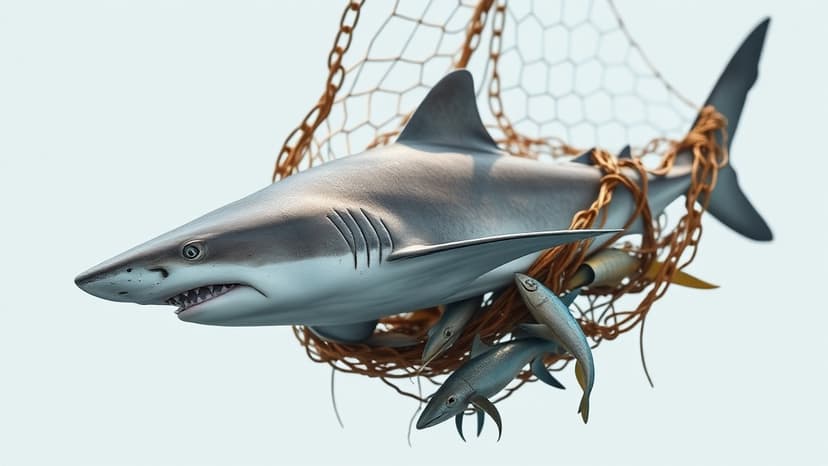
Shark netting programs, particularly in New South Wales, have come under scrutiny for their detrimental impact on marine life. In the 2024-25 period alone, these nets resulted in 223 entanglements, with a concerning 49 involving threatened or protected species, including critically endangered grey nurse sharks and loggerhead turtles. Investigations into the continued necessity of these nets are urgently recommended, as evidence suggests they offer little additional benefit for bather protection beyond other management methods that avoid harming wildlife.
While conservation measures like lights on nets and increased drone surveillance were implemented to mitigate harm, they did not reduce the proportion of creatures that died after entanglement. The original intention of these nets, dating back to the 1930s, was to eliminate sharks. However, a trial removal from Sydney beaches in the summer of 2024-25 was aborted following a fatal shark attack shortly after the nets were installed.
Alternative solutions, such as the SharkSafe Barrier, are being considered. However, these non-lethal technologies face significant challenges, notably their high upfront costs. For a kilometer-wide beach like Bondi, installation could potentially reach $9 million. Despite these costs, proponents argue that barriers could last 25 to 30 years with proper maintenance, potentially being funded as infrastructure, unlike current programs with substantial contractor servicing expenses. Traditional baited drumlines also continue to be used in Queensland, though SMART drumlines with alerting sensors are being adopted in NSW to improve the survival prospects of tagged and released sharks and non-target species.