Home / Environment / Drought Amidst Sewage: Rivers Polluted Despite Dry Spells
Drought Amidst Sewage: Rivers Polluted Despite Dry Spells
26 Mar
Summary
- Raw sewage discharged nearly 300,000 times in 2025.
- Discharges occurred despite months-long drought and hosepipe bans.
- Campaigners cite systemic failure and lack of infrastructure investment.
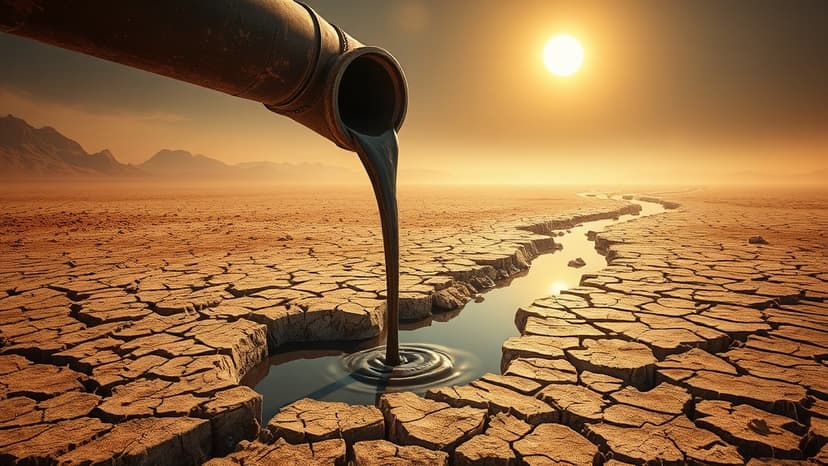
In 2025, England experienced its driest spring in over a century and its warmest year on record. Despite these drought conditions, which led to hosepipe bans in some areas, water companies discharged raw sewage from storm overflows 291,492 times. This marks a 35% reduction from record spills in 2024, with discharge hours falling by more than half. However, environmental groups criticize these figures, stating that sewage continues to be released even in dry weather. They argue this indicates a broken system rather than genuine improvement, pointing to decades of underinvestment in infrastructure.
Water companies acknowledge that dry weather contributed to reduced spills but also attribute the decrease to significant investment following government-imposed targets. An investment of £104 billion, funded by increased customer bills, is underway to improve systems. Despite these efforts, environmental charities and trusts contend that the volume of sewage discharged remains unacceptable and potentially illegal when occurring on dry days. The impact is amplified in low river levels, increasing pollution concentration and public health risks as more people use waterways. Specific companies like South West Water, United Utilities, and Yorkshire Water recorded the longest spill durations.