Home / Environment / Fish Power: Farming Tilapia Fights Disease & Poverty
Fish Power: Farming Tilapia Fights Disease & Poverty
12 Jul
Summary
- Fish introduced to rice fields fertilize crops and boost yields.
- Tilapia and other fish help combat schistosomiasis disease.
- Integrated fish and rice farming increases farmer income significantly.
An ambitious agricultural experiment is underway in Senegal's River Valley, integrating fish farming with rice cultivation. Researchers are introducing tilapia and other fish species into rice paddies with the goal of addressing three critical issues: food insecurity, poverty, and the prevalence of schistosomiasis, a debilitating disease.
This innovative approach leverages the natural benefits of fish. Their waste acts as a potent fertilizer, a more sustainable alternative to chemical options, which could increase rice yields by an estimated 25%. This boost in productivity is expected to enhance food security and farmer income.
Crucially, specific predatory fish, like the African bonytongue, are being introduced to control freshwater snail populations. These snails are carriers of schistosomiasis, a disease exacerbated by dam construction that disrupted natural predator migration. By reducing snail numbers, the project aims to mitigate the disease's impact on rice farmers.
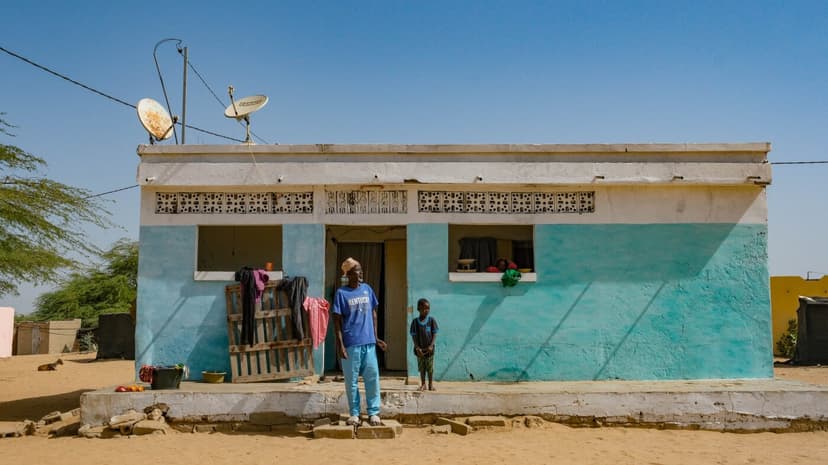
Early results from pilot studies indicate significant benefits. Participating farmers have reported increased rice yields, higher incomes allowing for home improvements and livestock purchases, and the ability to consume their own fish. This integrated fish-rice aquaculture, while common in Asia, is relatively new to Africa, with the project seeking to demonstrate its viability and encourage wider adoption.
The research team is utilizing drones and detailed measurements to further assess the project's impact on rice growth, snail populations, and disease reduction. Their findings will be crucial in advocating for the expansion of fish-rice aquaculture, offering a pathway to improve livelihoods and public health in the region.


