Home / Environment / Ocean's Lungs Revived: Innovative Seagrass Project Succeeds
Ocean's Lungs Revived: Innovative Seagrass Project Succeeds
17 Dec
Summary
- Seagrass restoration project increases seabed coverage from 10% to 70%.
- New technique uses translocated seagrass shoots, achieving 97% survival.
- Charity restored 0.3 hectares, nearing natural UK levels in five months.
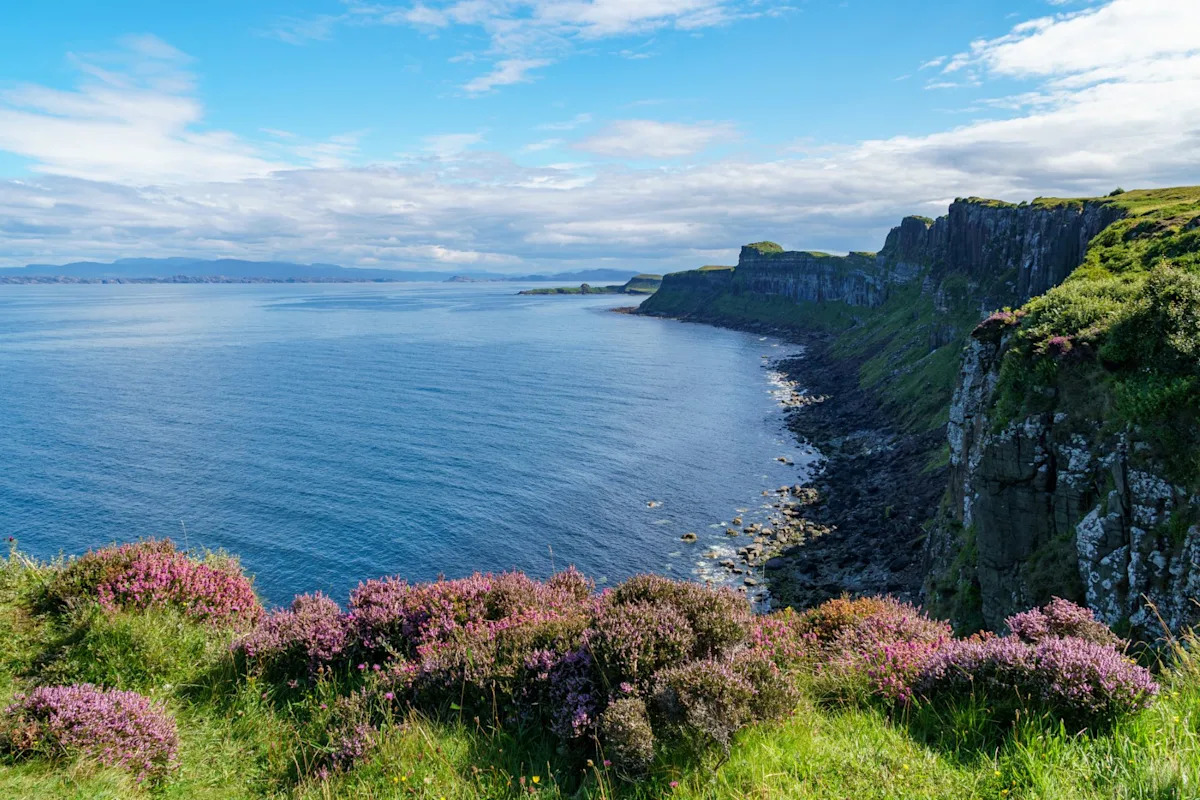
Seagrass restoration efforts in Scotland have reached a new milestone, with the charity Seawilding reporting significant success in revitalizing marine habitats. Utilizing a novel approach launched in 2024, scientists are now able to boost seabed coverage in their project zones from a mere 10% to an impressive 70%, maintaining an exceptional 97% survival rate for the transplanted seagrass.
This advanced technique bypasses the challenges of seed planting by employing translocated seagrass shoots. Since its inception, Seawilding has successfully cultivated an additional 0.3 hectares of seagrass, rapidly approaching natural levels observed across the UK within a five-month period. This achievement marks one of the most successful seagrass habitat restoration projects in the nation's history.
Seagrass, vital for oxygen production and marine biodiversity, has been declining at an alarming rate. Seawilding's breakthrough, despite past failures, demonstrates a scalable solution to restore these critical ocean ecosystems. The project leader expressed excitement, confirming the possibility of large-scale seagrass restoration.