Home / Environment / Parasite Returns: U.S. Food Supply Safe
Parasite Returns: U.S. Food Supply Safe
14 Jul
Summary
- Flesh-eating parasite reappeared in the U.S. after 60 years.
- Officials confirm 33 animal infections since early June.
- Experts reassure the public that the food supply remains protected.
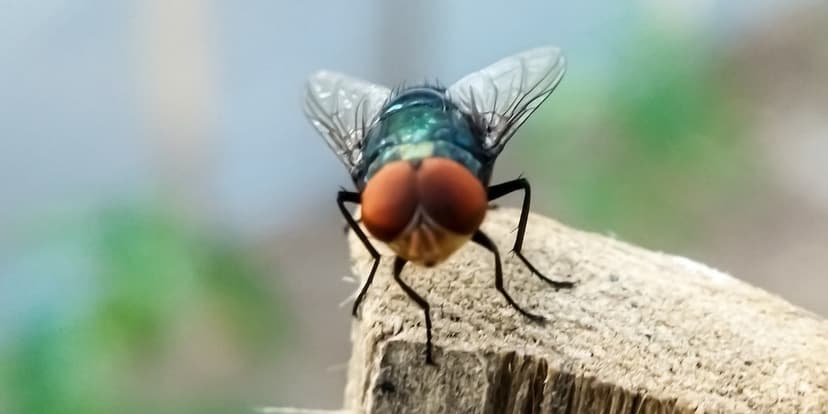
The New World screwworm, a flesh-eating parasite previously eradicated from the U.S. in the 1960s, has re-emerged, raising concerns about potential impacts on the nation's food supply. However, experts assure the public that the food supply is not compromised.
Unlike common foodborne pathogens, the screwworm is an animal health concern and does not contaminate meat, milk, or produce. The parasite dies during standard meat processing and cooking. Its migration northward through Central America and Mexico followed a significant outbreak in Panama and Costa Rica in 2023.
As of early June, officials confirmed the first U.S. detection since the 1960s in a calf in Zavala County, Texas. Subsequently, the USDA reported 33 screwworm infections in various animals across the U.S., including cattle, goats, and a pet dog.
Regulatory agencies routinely test the U.S. milk and food supply. Animals intended for human consumption undergo rigorous inspections before and after slaughter to ensure safety. Any animal showing signs of illness or infestation that makes its meat unsafe will be prevented from entering the food supply.
The screwworm is a fly whose larvae infest live animal wounds, feeding on flesh. While rare, humans can also be infected through wounds. The fly lays eggs in wounds, which hatch into maggots that burrow into the flesh. The USDA is combating the spread by deploying sterile male flies to disrupt the breeding cycle, a method that was successful in its previous eradication.
Investments are underway to expand sterile screwworm fly production facilities in Mexico and Texas, with production expected to begin as early as summer 2026 and a new fly factory anticipated by November 2027. Protection measures include covering wounds, limiting skin exposure, and using insect repellent. People do not contract the parasite from other people or by eating meat, and most in the U.S. are unlikely to encounter it.


