

Home / Environment / Indigenous knowledge unites to save endangered shearwaters
Indigenous knowledge unites to save endangered shearwaters
26 Apr
Summary
- Shearwaters are dying from microplastics, deviating from migration routes.
- Indigenous rangers in Australia and Alaska collaborate on a research project.
- The project combines scientific and ancestral knowledge to track shearwaters.
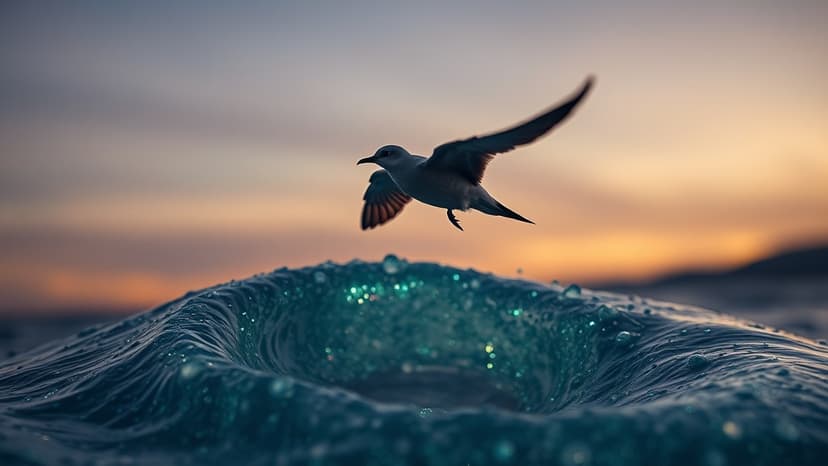
Indigenous rangers in Australia and Alaska are collaborating on a vital knowledge-sharing project to ensure the survival of the short-tailed shearwater. These migratory birds, known as yowli to the Wudjari Noongar people and muttonbirds to others, are facing unprecedented threats.
First Nations peoples on both coasts have observed alarming declines, with birds washing ashore sick and emaciated, their stomachs filled with microplastics instead of food. They are also veering off their established 15,000 km migration routes in search of sustenance.
The initiative involves Tjaltjraak rangers from Esperance, Australia, and Yup'ik and other Alaskan traditional owners. This cross-cultural partnership aims to gather crucial data on the birds' migration patterns, feeding habits, and the ecological risks they encounter.
By combining ancestral ecological knowledge with scientific methods, including the tagging of birds with tiny sensors, the project seeks to form a comprehensive picture of the shearwaters' perilous journey and their role within the broader ecosystem.
This collaborative effort highlights a shared kinship and responsibility between Indigenous communities to protect wildlife. The rangers hope this project will pave the way for future cross-cultural endeavors in environmental stewardship, recognizing that the care for country is a global responsibility.
