Home / Environment / From 16,000 to 500: The Race to Save the Unique Hirola
From 16,000 to 500: The Race to Save the Unique Hirola
5 Aug
Summary
- Hirola, Africa's most endangered antelope, has seen its population plummet.
- Conservation efforts in Kenya focus on controlled environments, as hirola don't thrive in captivity.
- Elephants play a crucial role in maintaining hirola's grassland habitat through grazing.
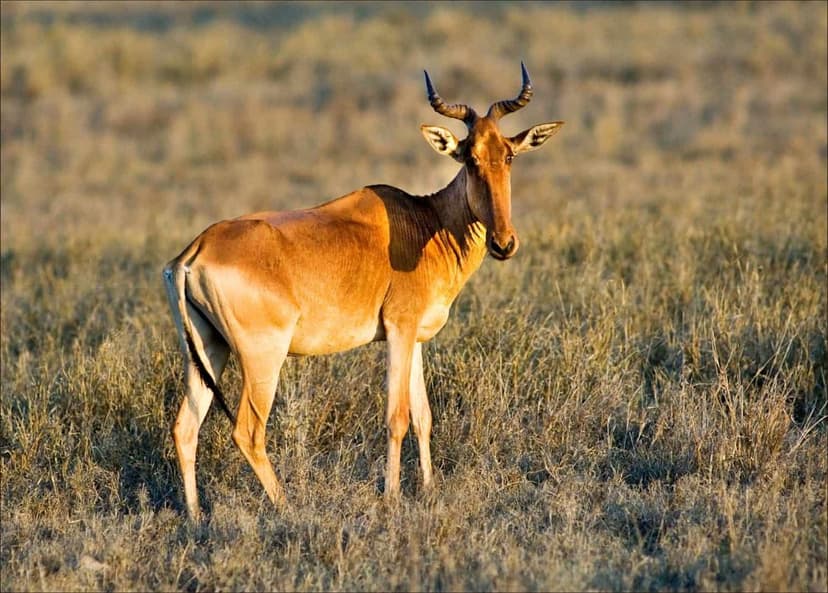
The hirola, often called the 'ghost of the Horn,' is Africa's most critically endangered antelope. Once numbering over 16,000 individuals in Kenya and Somalia by 1979, the population has tragically fallen to fewer than 500. This dramatic decline occurred over several decades, with habitat loss and other pressures significantly impacting the species.
Conservation efforts are concentrated in Kenya, as hirola do not adapt well to captive breeding programs. Programs like the Ishaqbini Hirola Community Conservancy have seen success, increasing a herd from 48 to 140 individuals since 2012. These initiatives aim to reach a population of 1,000 to ensure genetic diversity.
Elephants play an indirect but vital role in hirola survival by maintaining the grasslands they depend on. When elephant populations declined due to poaching, grasslands were overtaken by trees, reducing hirola food sources. The return of elephants is aiding habitat restoration, offering hope for the hirola's future.


