feedzop-word-mark-logo
searchLogin
Feedzop
homeFor YouUnited StatesUnited States
You
bookmarksYour BookmarkshashtagYour Topics
Trending
Terms of UsePrivacy PolicyAboutJobsPartner With Us

© 2026 Advergame Technologies Pvt. Ltd. ("ATPL"). Gamezop ® & Quizzop ® are registered trademarks of ATPL.

Gamezop is a plug-and-play gaming platform that any app or website can integrate to bring casual gaming for its users. Gamezop also operates Quizzop, a quizzing platform, that digital products can add as a trivia section.

Over 5,000 products from more than 70 countries have integrated Gamezop and Quizzop. These include Amazon, Samsung Internet, Snap, Tata Play, AccuWeather, Paytm, Gulf News, and Branch.

Games and trivia increase user engagement significantly within all kinds of apps and websites, besides opening a new stream of advertising revenue. Gamezop and Quizzop take 30 minutes to integrate and can be used for free: both by the products integrating them and end users

Increase ad revenue and engagement on your app / website with games, quizzes, astrology, and cricket content. Visit: business.gamezop.com

Property Code: 5571

Home / Environment / Can 'Zombie Trees' Be Saved From Extinction?

Can 'Zombie Trees' Be Saved From Extinction?

23 Jan

•

Summary

  • A new tree species, Rhodamnia zombi, is threatened by myrtle rust.
  • Myrtle rust fungus prevents the 'zombie tree' from growing or reproducing.
  • Scientists are propagating resistant tree cuttings for future reintroduction.
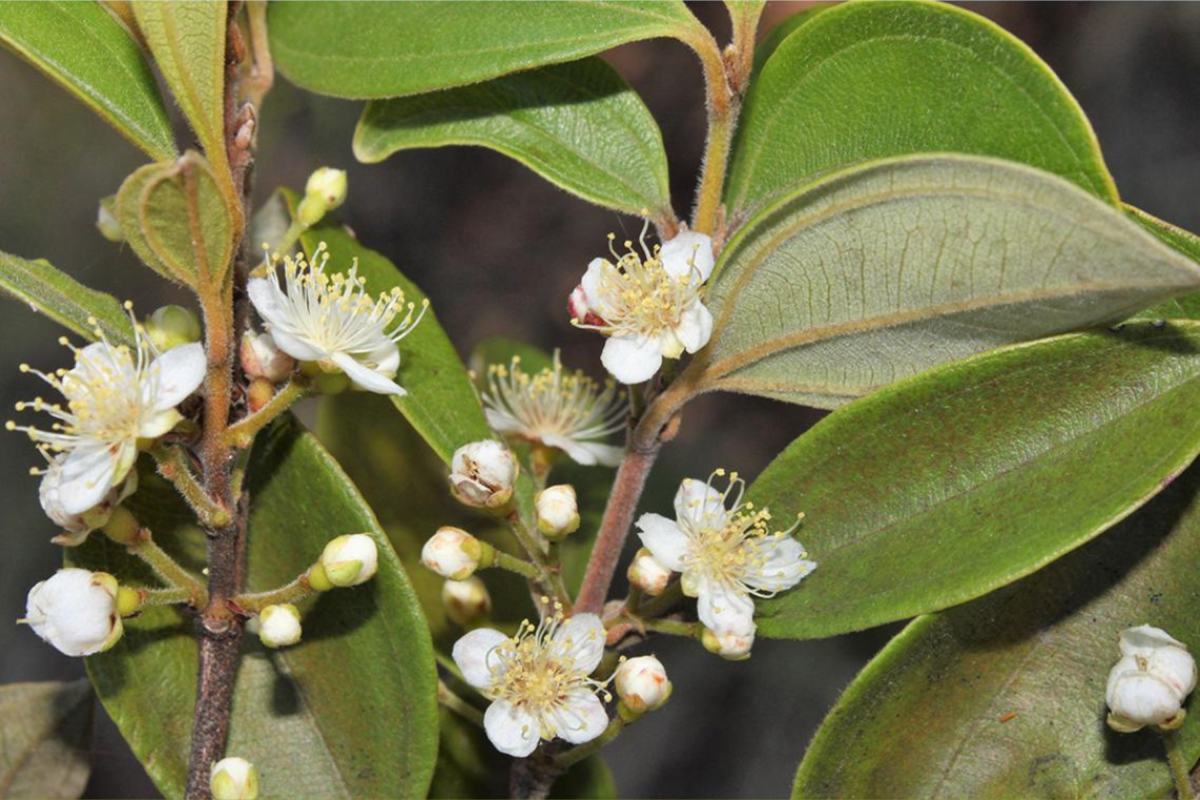
Can 'Zombie Trees' Be Saved From Extinction?

A recently identified rainforest tree species in Australia, Rhodamnia zombi, is critically endangered by myrtle rust. This aggressive fungal disease prevents the tree, nicknamed the 'zombie tree,' from growing or reproducing, leading to significant population decline since its formal assessment in 2020. Scientists are undertaking urgent conservation efforts to save the species.

Research indicates that myrtle rust, a bright yellow pathogen, repeatedly attacks young shoots, causing them to die before the tree can mature. Without intervention, the species, along with 16 others on a threat list, faces extinction within a generation. However, hope remains as related Rhodamnia species show resistance to the rust.

Conservationists are collecting disease-free cuttings for propagation at safe sites, with seedlings already showing promise in Lismore and Townsville. The ultimate goal is to reintroduce these resilient trees into their native rainforest habitat, allowing the species to recover and regain its ecological role. Scientists acknowledge this is an ambitious long shot, emphasizing the need for time and protection from the relentless fungus.

trending

NYC winter storm watch

trending

UConn Quinonez makes team history

trending

Bournemouth beat Liverpool late

trending

Boston snow storm warning

trending

Osaka withdraws from Australian Open

trending

UConn beats Villanova in OT

trending

Fulham draws Brighton 1-1

trending

Real Madrid defeats Villarreal

trending

Michigan State defeats Maryland

Disclaimer: This story has been auto-aggregated and auto-summarised by a computer program. This story has not been edited or created by the Feedzop team.
The 'zombie tree,' or Rhodamnia zombi, is a rainforest species in Australia critically endangered by myrtle rust, a fungal disease that prevents its growth and reproduction.
Scientists are collecting clean cuttings for propagation at safe sites, aiming to grow trees with natural resistance and eventually reintroduce them into the rainforest.
Myrtle rust is an aggressive, bright yellow fungal pathogen that repeatedly attacks the young shoots of trees, killing them before they can mature or reproduce.

Read more news on

Environmentside-arrow

You may also like

Purple Tomatoes Hit Supermarket Shelves

22 Jan • 16 reads

article image

Teen's Rare Cold Allergy: Hives and Swelling from Cool Air

19 Jan • 25 reads

article image

Man Claims Girlfriend Jumped in Tower Fall Trial

16 Jan • 33 reads

article image

Dino's Spiky Hand: The Ultimate Egg Thief?

11 Jan • 73 reads

article image

New Species Discovered: Many Already Face Extinction

8 Jan • 89 reads

article image