

Home / Environment / Satluj River Fish Deaths Linked to Pollution
Satluj River Fish Deaths Linked to Pollution
16 Apr
Summary
- High BOD and ammonia levels indicate severe river pollution.
- Pathogenic bacteria Aeromonas found in dead fish samples.
- Untreated industrial waste blamed for escalating pollution.
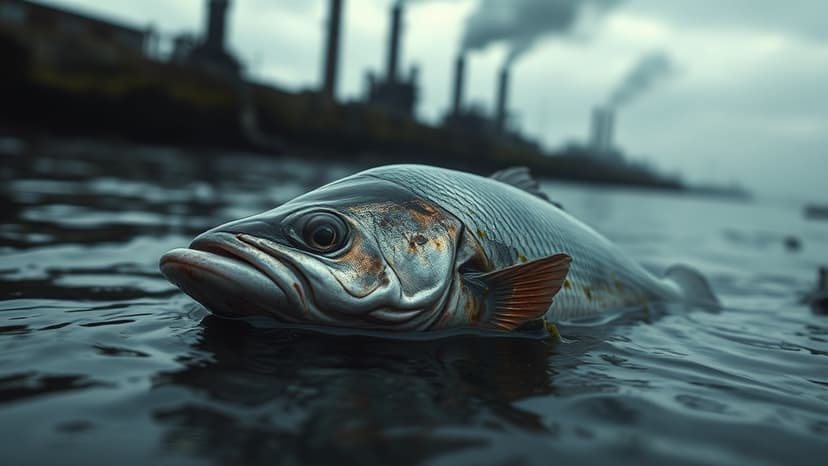
Recent large-scale fish deaths along the Satluj River in Ferozepur, Punjab, have been scientifically attributed to severe pollution and bacterial infections. Water and fish samples analyzed by the College of Fisheries at GADVASU revealed dangerously high levels of biochemical oxygen demand (BOD) and ammonia in the river. These indicators point to significant contamination, creating conditions conducive to bacterial growth.
Examination of the dead fish confirmed the presence of pathogenic bacteria, specifically Aeromonas hydrophila and Aeromonas veronii. Experts note that these bacteria thrive in oxygen-depleted environments, further exacerbated by high ammonia content. Environmental activists and Water Warriors Punjab have pointed fingers at untreated industrial waste and effluents as the primary cause of the river's deteriorating condition. The incident underscores a recurring problem in the Harike region, prompting calls for stricter enforcement of pollution control norms.
Water Warriors Punjab plans to submit their findings to wildlife authorities and the Punjab Pollution Control Board, advocating for action against polluters. Environmentalists warn that these repeated fish kills signal a systemic failure in monitoring industrial and municipal discharge, emphasizing the urgent need for intervention to protect the Satluj ecosystem and the communities that depend on it.
