Home / Environment / Sargassum Blooms: A Billion-Dollar Coastal Threat
Sargassum Blooms: A Billion-Dollar Coastal Threat
16 Jan
Summary
- Massive sargassum blooms cause millions to billions in annual economic damage.
- Blooms originate in the Atlantic, affecting Florida, Puerto Rico, and USVI.
- Seaweed releases toxic gases and leaches heavy metals, harming health.
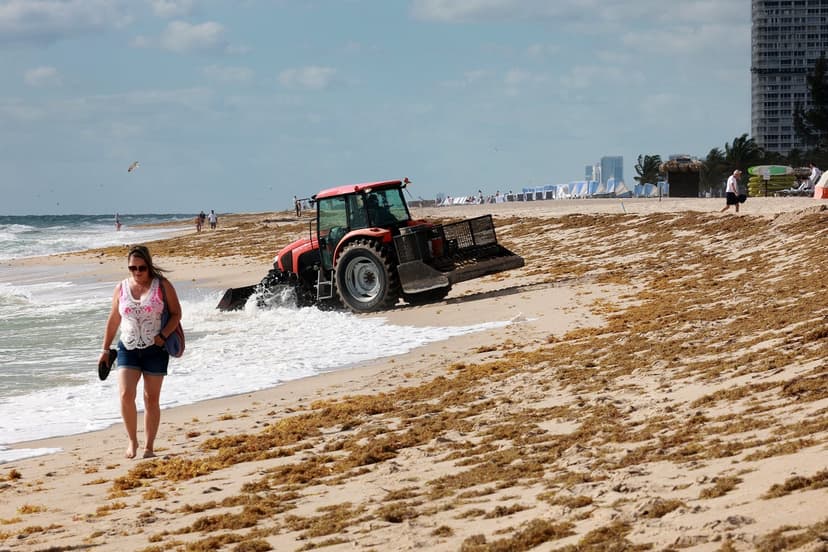
Massive sargassum seaweed blooms are causing significant economic distress to U.S. coastal communities, with annual damages ranging from millions to as much as a billion dollars. Researchers from the Woods Hole Oceanographic Institution and the University of Rhode Island have quantified these costs, highlighting the financial burden on governments and industries. The blooms, originating from the Great Atlantic Sargassum Belt, predominantly impact regions such as Southeast Florida, Puerto Rico, and the U.S. Virgin Islands.
These inundations, which typically span from March through October, are starting earlier and lasting longer in the western Atlantic and Caribbean. Beyond the economic toll, the decaying sargassum releases noxious hydrogen sulfide and ammonia gases, which can cause respiratory and other health issues. The seaweed also accumulates and leaches pesticides and heavy metals like arsenic and cadmium, posing fatal risks to marine life and potentially humans.
Scientists are investigating the broader environmental shifts contributing to these unprecedented sargassum events, with links drawn between offshore ocean processes and coastal economic vulnerability. The findings underscore the urgent need for sustained investment in sargassum monitoring, forecasting, and cleanup infrastructure to mitigate escalating economic consequences for affected communities.