Home / Environment / Stinky Sargassum: A Billion-Dollar Beach Blight
Stinky Sargassum: A Billion-Dollar Beach Blight
16 Jan
Summary
- Massive sargassum blooms cause up to $1 billion in annual economic damage.
- Blooms negatively impact tourism, health, and marine ecosystems.
- Sargassum seasons are starting earlier and lasting longer.
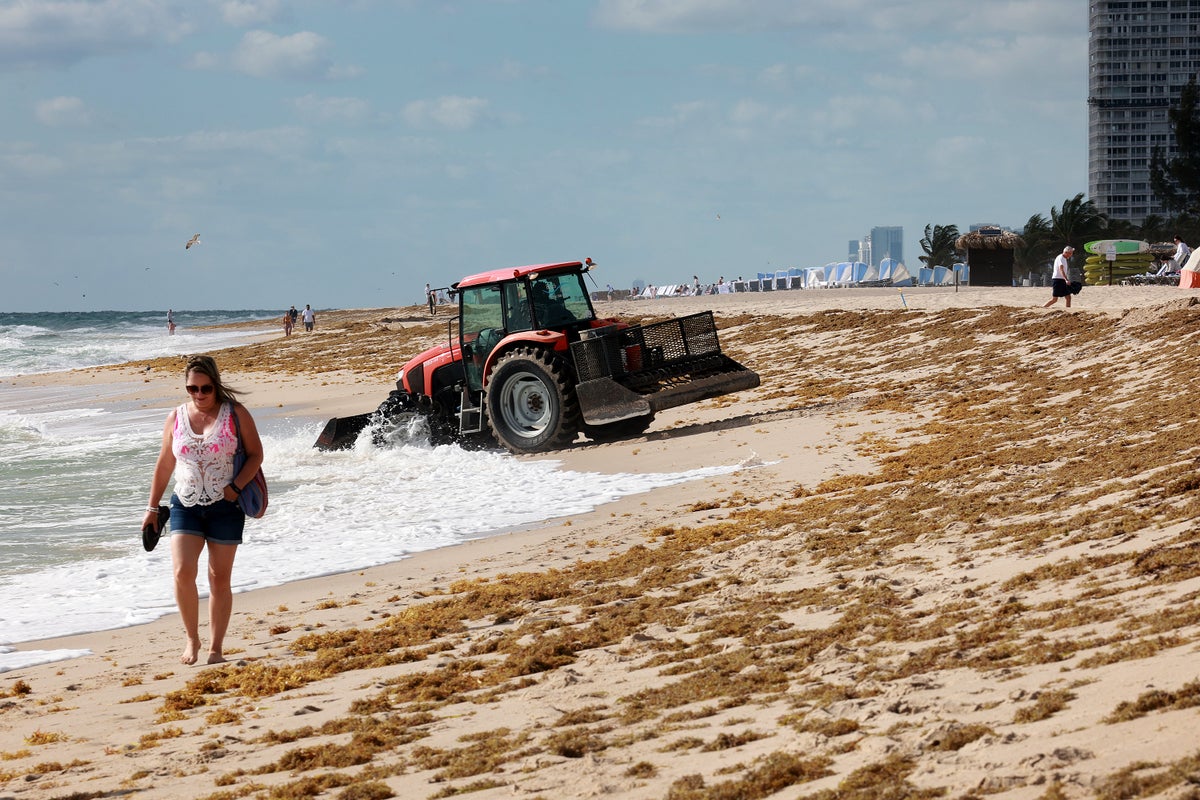
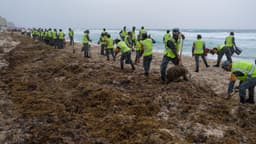
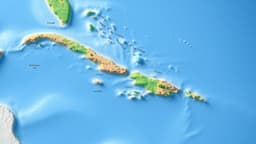
Coastal communities in Florida, Puerto Rico, and the U.S. Virgin Islands are facing economic devastation from massive sargassum seaweed blooms. Researchers estimate these annual inundations cause up to a billion dollars in damages. The seaweed, originating from the Great Atlantic Sargassum Belt, fouls beaches, impacts tourism, and poses health risks due to toxic gas release and accumulated pollutants.
These 'brown tides' are not only economically damaging but also present serious health concerns. The decomposition of sargassum releases hydrogen sulfide and ammonia, which can cause respiratory, cardiovascular, and neurological problems. Furthermore, the seaweed accumulates heavy metals and pesticides, posing fatal risks to humans and animals, while also smothering coral reefs and disrupting sea turtle nesting sites.
Scientists are observing that sargassum seasons are beginning earlier and extending longer in the western Atlantic and Caribbean. While the direct link to climate change is debated, these unprecedented events signal broader shifts in the Atlantic Ocean. Continued investment in monitoring, forecasting, and cleanup is crucial to mitigate escalating economic vulnerabilities and environmental harm.