feedzop-word-mark-logo
searchLogin
Feedzop
homeFor YouUnited StatesUnited States
You
bookmarksYour BookmarkshashtagYour Topics
Trending
Terms of UsePrivacy PolicyAboutJobsPartner With Us

© 2026 Advergame Technologies Pvt. Ltd. ("ATPL"). Gamezop ® & Quizzop ® are registered trademarks of ATPL.

Gamezop is a plug-and-play gaming platform that any app or website can integrate to bring casual gaming for its users. Gamezop also operates Quizzop, a quizzing platform, that digital products can add as a trivia section.

Over 5,000 products from more than 70 countries have integrated Gamezop and Quizzop. These include Amazon, Samsung Internet, Snap, Tata Play, AccuWeather, Paytm, Gulf News, and Branch.

Games and trivia increase user engagement significantly within all kinds of apps and websites, besides opening a new stream of advertising revenue. Gamezop and Quizzop take 30 minutes to integrate and can be used for free: both by the products integrating them and end users

Increase ad revenue and engagement on your app / website with games, quizzes, astrology, and cricket content. Visit: business.gamezop.com

Property Code: 5571

Home / Environment / San Rafael Sinks: Bay Area Faces Rising Tides

San Rafael Sinks: Bay Area Faces Rising Tides

7 Jan

•

Summary

  • San Rafael's Canal District faces sinking land and rising sea levels.
  • Latino and working-class residents endure chronic flooding impacts.
  • Engineering and innovative architecture offer potential resilience solutions.
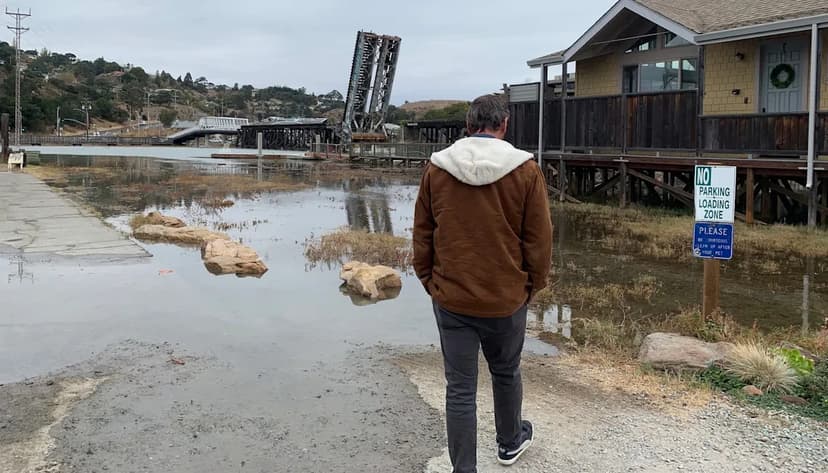
San Rafael Sinks: Bay Area Faces Rising Tides

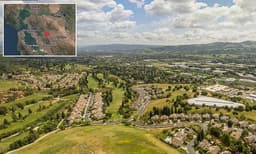
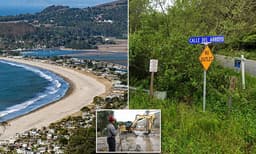
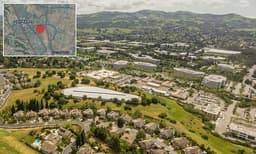
San Rafael, California, specifically its Canal District, is identified as the Bay Area's most vulnerable neighborhood to escalating sea-level rise. The region's foundation, comprised of former wetlands, contributes to land sinking, exacerbating the impact of rising ocean levels. Parts of eastern San Rafael have already sunk by several feet, with sea levels projected to rise significantly in the coming decades.

This climate impact disproportionately affects the area's Latino and working-class residents, leading to chronic flooding that affects homes and infrastructure. Experts warn that major exit roads could be permanently submerged by 2050 if current trends continue. Human-induced pollution from burning fossil fuels is identified as the primary driver of these warming conditions and subsequent sea-level rise.

Efforts to mitigate these effects are underway, including engineering solutions such as elevating roadways and constructing levees. Innovative architectural designs, like flood-proofing lower floors and exploring floating structures, are also being considered. Community-driven initiatives and policies promoting clean energy and resilient builds aim to secure a safer, drier future for San Rafael.

trending

Justice Dept. Epstein files access

trending

Munich Air Disaster remembered

trending

ACC drops German gigafactory

trending

US India trade agreement

trending

T20: Cricket's World Cup thrives

trending

Siraj replaces injured Harshit Rana

trending

House of the Dragon vs Thrones

trending

Barcelona vs Mallorca live stream

trending

ISL 2025/26 fixtures announced

Disclaimer: This story has been auto-aggregated and auto-summarised by a computer program. This story has not been edited or created by the Feedzop team.
San Rafael's vulnerability stems from its soil foundation of former wetlands causing the land to sink, combined with rising sea levels.
Residents face chronic flooding, with high tides affecting patios, parking areas, and causing mold in homes.
Solutions include elevating roads, upgrading pumps, building levees, and innovative flood-proof architecture.

Read more news on

Environmentside-arrow

You may also like

Bay Area Rocked by Quake Swarm, Tsunami Alert Triggered

2 Feb • 33 reads

article image

California Mansions Face Sea Rise Threat

26 Jan • 42 reads

article image

Minor Quake Recorded Near Salton Sea

14 Jan • 162 reads

article image

California Shakes: Quakes Hit San Ramon Again

9 Jan • 150 reads

article image

Japan's Aging Infrastructure Crumbles Under Disasters

1 Jan • 215 reads

article image