
Home / Environment / Sacred Waterhole Runs Dry for First Time
Sacred Waterhole Runs Dry for First Time
6 May
Summary
- A sacred Aboriginal waterhole has dried up for the first time in living memory.
- Traditional owners blame Rio Tinto's unsustainable water pumping for the crisis.
- Rio Tinto is building a desalination plant to reduce water usage.
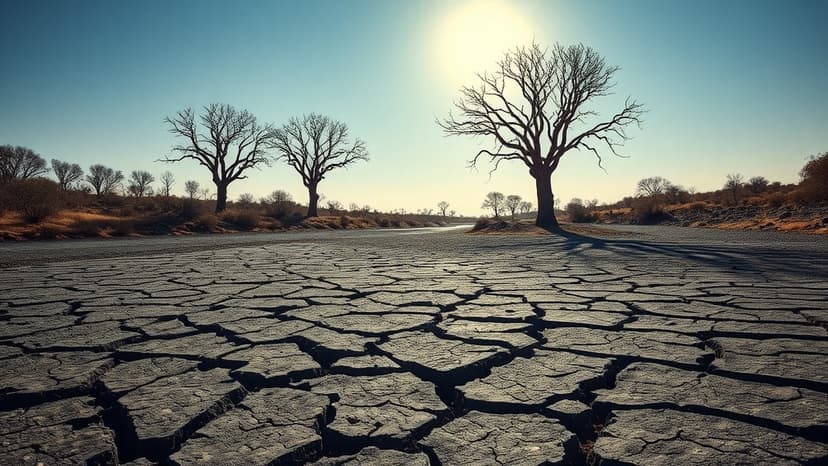
A sacred waterhole, vital to Aboriginal culture for thousands of years, has completely dried up for the first time in recorded history. Located in Western Australia's West Pilbara region, the waterhole's demise is being blamed on years of excessive water extraction by mining giant Rio Tinto.
Robe River Kuruma Traditional Owners, on whose land Rio Tinto operates, have expressed deep concern. Representative Jason Masters stated that the waterhole's drying represents irreparable damage. Even after heavy rainfall from a recent cyclone, the permanent pool remained empty, and nearby ancient river gum trees have perished.
Rio Tinto acknowledged the situation, with chairman Dominic Barton expressing a commitment to discussing mitigation efforts. The company noted that recent years have seen below-average rainfall and streamflow, impacting groundwater recharge. To address water usage, Rio Tinto and the state government are jointly funding an A$1.1 million desalination plant, expected to operate later this year.
This incident echoes a past controversy in 2020, when Rio Tinto destroyed a sacred rock shelter, leading to widespread public outcry and executive departures. The company is now focused on managing its water consumption and addressing the environmental impact on traditional lands.
