Home / Environment / Pacific Nuclear Tomb Leaks: Climate Change Threat
Pacific Nuclear Tomb Leaks: Climate Change Threat
20 Mar
Summary
- Radioactive leaks from Runit Dome are currently small, but future sea-level rise poses risks.
- The dome contains over 120,000 tons of nuclear waste, including plutonium-239.
- Climate change impacts like rising seas and intensifying storms threaten the dome's integrity.
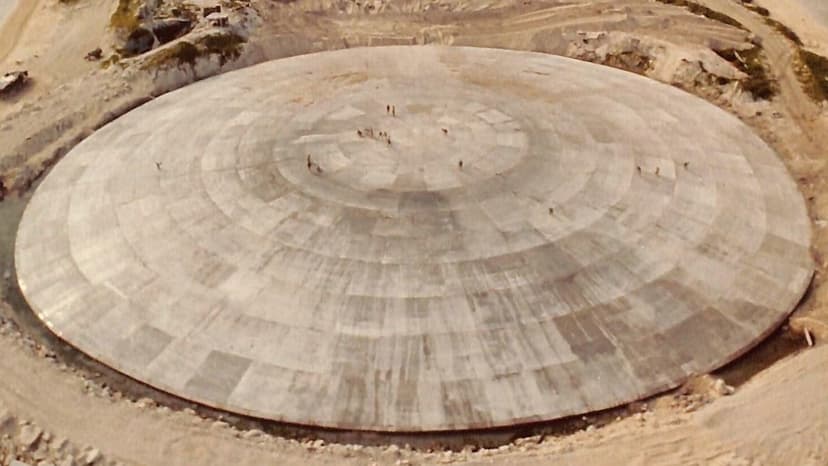
A nuclear waste containment structure known as the Runit Dome, located on Runit Island in the Marshall Islands, is facing increasing concerns due to climate change. Built between 1977 and 1980, the dome holds over 120,000 tons of material contaminated by U.S. nuclear testing in the Enewetak Atoll. This waste includes dangerous plutonium-239, which remains hazardous for over 24,000 years.
While current radioactive leaks from the dome are described as relatively small, experts warn about its vulnerability. The concrete structure rests on porous coral sediment, and groundwater has already penetrated the unlined crater. With sea levels predicted to rise by 1 meter by 2100, and storms intensifying, the dome's integrity is increasingly at risk.
Investigations in 2024 by the U.S. Department of Energy's Pacific Northwest National Laboratory identified storm surges and gradual sea level rise as the primary factors that could spread radionuclides. The potential implications are severe, as Runit Island is located near inhabited areas that rely on the local lagoon. Calls for the United States to take responsibility for proper cleanup efforts continue, highlighting the environmental and humanitarian legacies of nuclear testing.