Home / Environment / Danube Drought Threatens Romanian Nuclear Power
Danube Drought Threatens Romanian Nuclear Power
12 Aug
Summary
- Romania may shut its last working nuclear reactor due to falling Danube levels.
- Record low river levels previously forced a shutdown of one reactor.
- Unprecedented measures were taken to maintain cooling water for the plant.
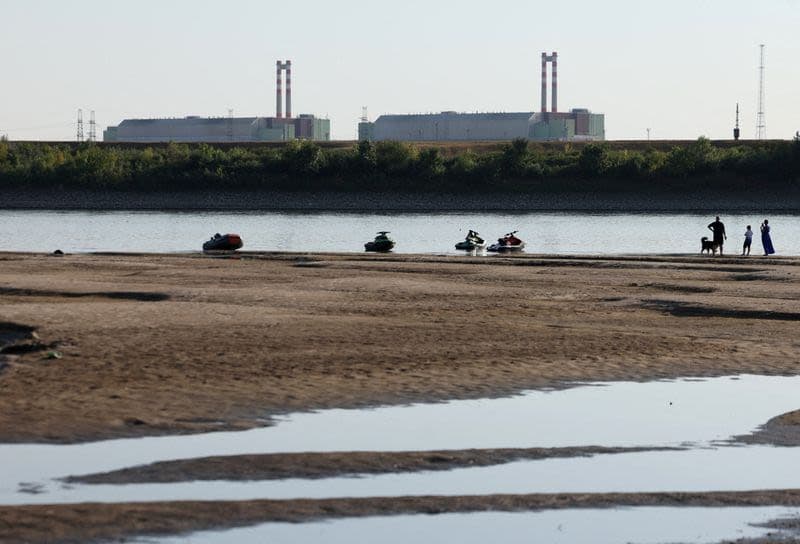
Romania's last functioning nuclear reactor faces a potential shutdown on August 13 as the Danube River's water levels continue to drop to historic lows. This follows an earlier shutdown of one of the two reactors at the Cernavoda plant in late July due to similar environmental conditions.
Nuclearelectrica, the state-owned nuclear power producer, has implemented drastic measures to maintain the plant's cooling water supply. These include controlled demolitions to clear obstructions, dredging the riverbed, and strategically sinking barges to redirect water flow towards the Cernavoda facility.
The company stated that the decision to shut down the second reactor will depend on weather forecasts, ongoing river level monitoring, and operational parameters. A director from the water management agency confirmed the shutdown appears "unavoidable" as Danube levels reached a new record low of 1,370 cubic meters per second at Romania's entry point.
In response to the energy crisis, Romania declared a state of energy emergency for August. The government has urged citizens and businesses to reduce electricity consumption during peak evening hours and has developed a contingency plan for staged power cuts to industrial consumers if necessary. Neighboring Hungary has managed to bring a turbine back online at its Paks nuclear plant due to a slight rise in Danube levels, but upstream rainfall is unlikely to benefit Romania, as it is the last country on the river before it reaches the Black Sea.


