Home / Environment / Nature's Rage: A River's Plea for Life
Nature's Rage: A River's Plea for Life
23 Mar
Summary
- Author's rage fueled by submerged villages along Bhagirathi river.
- Rivers are living entities, true worship means protection and activism.
- Universal Declaration on Rights of Rivers grants legal personhood.

Nature is presented as a divine entity, a source of profound acceptance and connection, yet this visible God is being systematically destroyed. The author's deep love for nature fuels a potent rage against the pervasive pollution, sand mining, damming, and other destructive practices inflicted upon rivers.
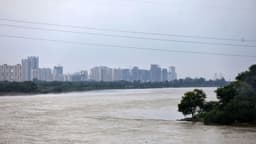
This rage crystallized when the author stood by the Bhagirathi river and learned of 125 villages submerged beneath its waters. These "submerged worlds" represent lost homes, livelihoods, and cultures, symbolizing ignored stories and unheard voices. The book aims to bridge this knowledge gap, particularly for young readers, challenging the notion that all actions are justifiable in the name of progress.
The author also illustrates the book, a process deeply intertwined with her writing, inspired by hikes in Uttarakhand. The concept of venerating rivers as goddesses in India is explored, contrasting it with the idea that true worship necessitates active protection and activism.
Faith and activism are presented as inseparable for safeguarding rivers. The Universal Declaration on the Rights of Rivers, which grants rivers legal personhood, is discussed. Despite past failures, such as the revocation of legal rights for Ganga and Yamuna, these declarations are seen as vital for shifting perspectives and fostering empathy for rivers as living entities.