
Home / Environment / Dams Gone, Rivers Roar Back to Life
Dams Gone, Rivers Roar Back to Life
7 May
Summary
- Dam removals reconnected more river sections in 2025 than ever before.
- Older dams pose risks, with many no longer serving their original purpose.
- Restoration efforts in Bedford, PA, transformed a neglected riverfront.
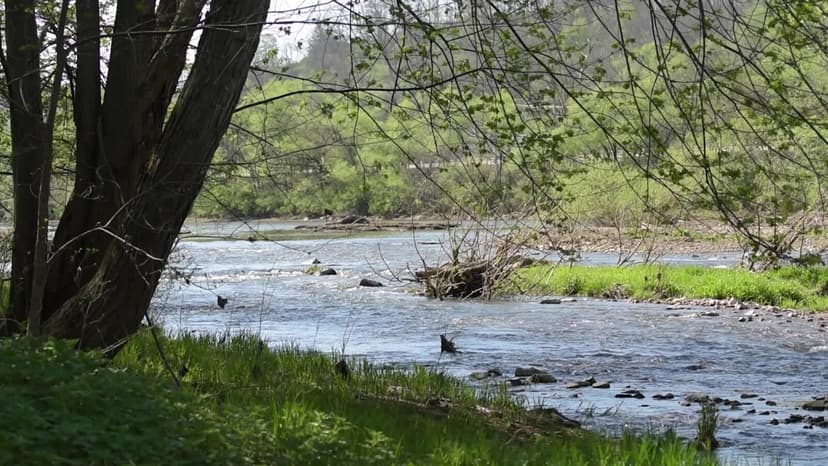
In 2025, the United States witnessed an unprecedented number of dam removals, reconnecting thousands of miles of rivers and revitalizing aquatic ecosystems nationwide. This trend, known as the 'undamming of America,' addresses the growing risks associated with aging dams, many of which are obsolete and pose safety hazards.
These removals are creating healthier, cooler waterways that better support fish migration and reduce algal blooms. While essential dams for water management remain, numerous smaller, outdated structures are being dismantled. For instance, in Bedford, Pennsylvania, two 50-year-old dams were removed last summer, transforming a silt-laden river into a free-flowing, cleaner water body with improved wildlife habitat.
The average age of U.S. dams is 60 years, and many are failing due to extreme weather. This increases the urgency for removal, as unattended dams may fail catastrophically. Federal funding for dam safety and removal is insufficient, despite bipartisan support for infrastructure improvements. The economic and environmental costs of maintaining obsolete dams often outweigh any perceived benefits.
While challenges exist, such as dealing with contaminated sediment, the overall consensus is that obsolete dams are liabilities. Projects like the recent dismantling of four major hydroelectric dams on the Klamath River highlight the scale of these efforts. The transformation in Bedford, where a neglected riverfront is now teeming with fish and planned for further restoration, showcases the positive outcomes of embracing this undamming movement.
