Home / Environment / Urban Forest Farmers Preserve Biodiversity with Bananas
Urban Forest Farmers Preserve Biodiversity with Bananas
20 Mar
Summary
- Quilombola farmers blend banana crops with native species.
- Agroforestry systems preserve Pedra Branca state park's biodiversity.
- Traditional farmers are now recognized as conservation agents.
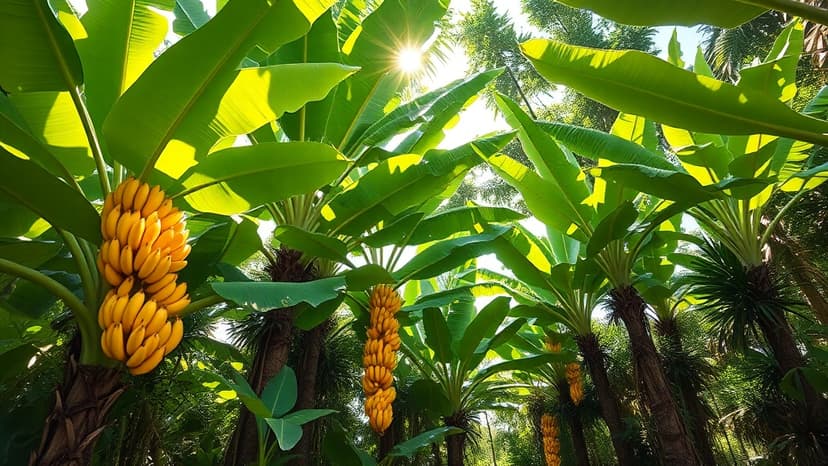
In Rio de Janeiro's Vargem Grande, quilombola farmers like Jorge and Ubirajara Cardia maintain ancestral banana harvesting traditions. Their methods, deeply rooted in agroforestry, integrate banana crops with native species, vital for preserving the biodiversity within Pedra Branca state park, a UNESCO Atlantic Forest Biosphere Reserve and the world's largest urban forest.
This agroforestry model contrasts with agribusiness, fostering what Jorge Cardia calls 'agriculture of life.' Originally restricted upon the park's creation in 1974, traditional communities have since adapted, their farming practices now blending seamlessly with the forest. This evolution led to the recognition of farmers as conservation agents by the State Institute of the Environment in 2010.
Despite this progress, real estate speculation threatens the park's resources. Experts like Luz Stella Rodríguez Cáceres highlight how urban expansion strains waterways, necessitating frameworks like the FAO's Globally Important Agricultural Heritage Systems to protect these communities and their sustainable lifestyles. President Lula's 2023 decree also supports coexistence between conservation and traditional ways of life.