Home / Environment / New Mexico Faces Aridification, Not Just Drought
New Mexico Faces Aridification, Not Just Drought
20 Mar
Summary
- The Middle Rio Grande faces prolonged drying, impacting water security.
- Reservoir levels are critically low, with Heron Reservoir at its lowest since 1971.
- New Mexico's water use from the Rio Grande is deemed unsustainable.
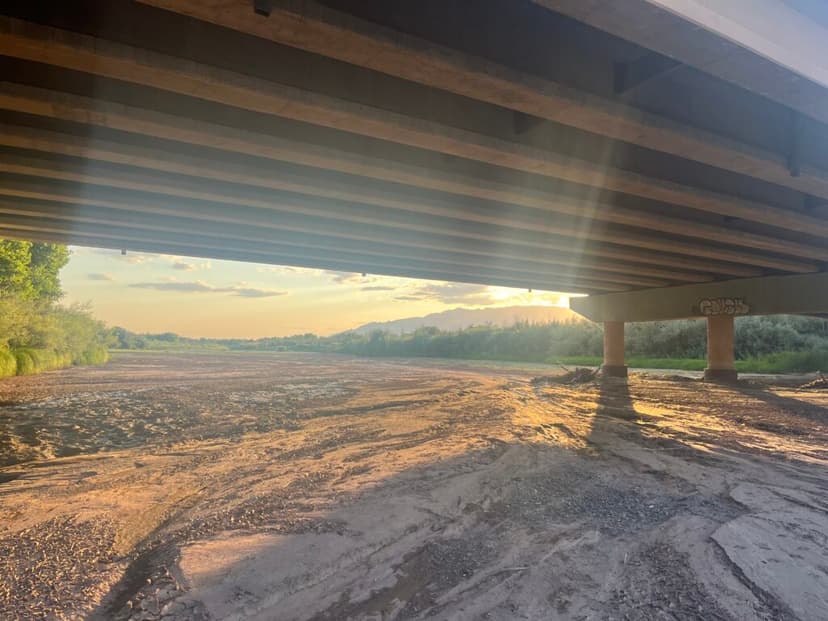
The Middle Rio Grande is experiencing a critical water shortage, with forecasts indicating the river will dry for extended periods, beginning as early as May 2026. This recurring event, which lasted approximately 50 days last summer in Albuquerque, signals a significant long-term trend of warming and drying in the region. Officials highlight that irrigation seasons will shorten, fire risks will escalate, and Albuquerque's primary drinking water utility will rely solely on groundwater.
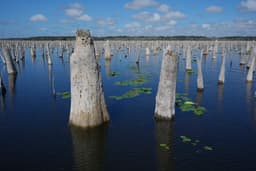
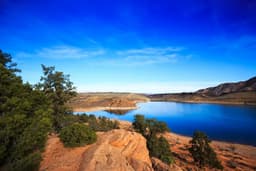
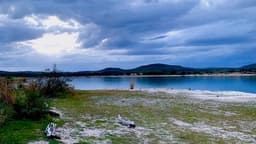
Reservoir levels across the watershed are alarmingly low. Abiquiu Reservoir is at 61% capacity, El Vado at 13%, and Heron Reservoir, a crucial component of the San Juan-Chama Project, is at a historic low of 7% full. This scarcity stems from a record-warm winter and a severe snow drought in the mountains, compounded by long-term overconsumption.
Experts describe the situation as 'aridification,' a permanent shift towards drier conditions, rather than a cyclical drought. Studies indicate that 85% of water use from the Rio Grande in New Mexico is unsustainable, posing a grave risk to the state's water security. New Mexico is already facing challenges in complying with the Rio Grande Compact, with a significant deficit to Texas.
The Middle Rio Grande Conservancy District emphasizes the need for difficult conversations and flexible policy changes regarding farming, invasive species management, and water allocation. The Albuquerque Bernalillo County Water Utility Authority is updating its long-term water management strategy to account for these intensifying climate change impacts.