Home / Environment / Rio Grande Runs Dry: Historic Drought Threatens Vegetation
Rio Grande Runs Dry: Historic Drought Threatens Vegetation
2 Sep
Summary
- 112.4 miles of Rio Grande are dry, a record since 2007.
- A 615 million gallon water release aims to aid vegetation.
- Low flows require funding for sediment buildup management.
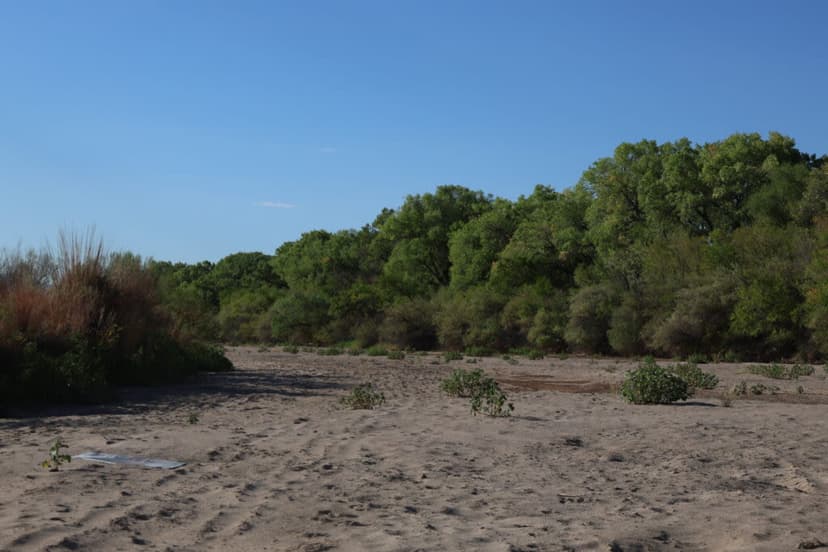
As of September 2, 2026, an unprecedented 112.4 miles of the Rio Grande between Cochiti and Elephant Butte Reservoir are reported dry, marking a significant increase since 2007. This extensive dryness has led to visible degradation of vegetation along the riverbanks, prompting concern among environmental and water management authorities.
To combat the drought's impact and gather crucial data, the Albuquerque-Bernalillo County Water Authority initiated a controlled release of 615 million gallons of water from Abiquiu Reservoir on September 1, 2026. This 'pulse' of water is intended to temporarily re-wet the river, support affected flora and wildlife, and provide scientists with valuable information on river-groundwater interactions and water flow dynamics.
Water managers also highlighted the growing issue of sediment buildup in the river channel due to consistently low or absent flows. They are seeking additional funding for mechanical intervention to manage this sediment, as natural scouring processes are no longer effective in maintaining the river's health. Uncertain weather forecasts for the remainder of the monsoon season and the upcoming winter, compounded by record low snowpack from the previous winter, suggest that the river's low water levels are likely to persist.


