Home / Environment / Lawn to Habitat: Rewilding America's Yards
Lawn to Habitat: Rewilding America's Yards
20 Aug
Summary
- Homeowners replace lawns with native plants for biodiversity.
- Lawns are environmentally problematic, impacting water and wildlife.
- Rewilding yards offers visible results and empowers homeowners.
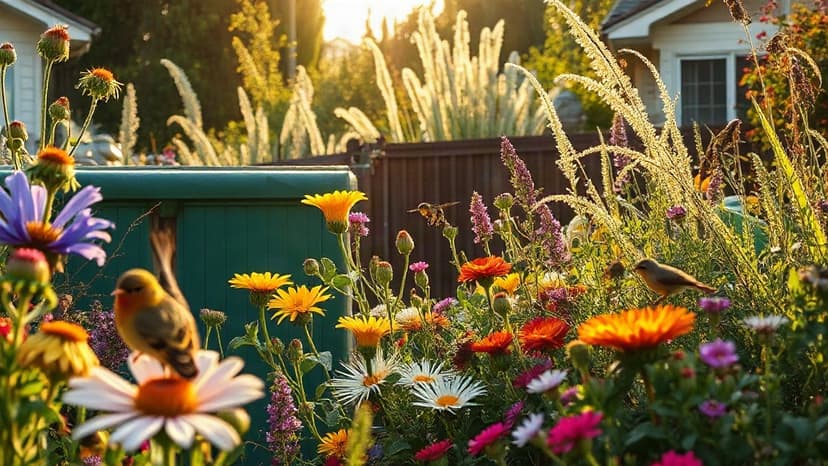
A growing national movement encourages Americans to replace traditional lawns with native plants, fostering biodiversity and ecological health. This initiative transforms suburban landscapes into thriving habitats, benefiting local wildlife. Early adopters like James McGuire and Crystal Fritz in Highland Park, Illinois, have converted their yards, drawing positive attention and inspiring neighbors.
These efforts combat the environmental drawbacks of conventional lawns, which consume vast land and contribute to water pollution. Experts advocate for "conservation landscaping," suggesting a balance between lawn space and native plantings to support wildlife and mitigate ecological crises.
Initiatives like Homegrown National Parks promote this vision, while policy changes, such as those in Colorado, are supporting water-wise landscaping. Homebuyers are also recognizing the appeal of native gardens, indicating a broader cultural shift towards more sustainable yard practices.


