

Home / Environment / From Garbage Dumps to Lifelines: Stepwell Revival
From Garbage Dumps to Lifelines: Stepwell Revival
6 Apr
Summary
- Centuries-old stepwells are being revived across India.
- Restored wells provide drinking water and public spaces.
- These systems offer solutions to urban water scarcity.
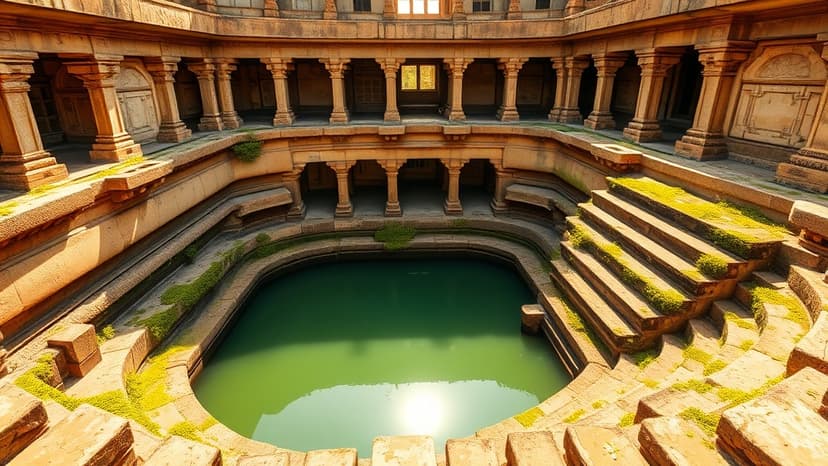
Centuries-old stepwells, temple ponds, and underground tanks are being revitalized across India, offering a tangible solution to the nation's escalating urban water crisis. Once buried under debris and forgotten, these traditional water systems are being transformed into vibrant public spaces and crucial sources of drinking water.
The Bansilalpet stepwell in Secunderabad, Telangana, exemplifies this resurgence. Restored by The Rainwater Project, it now holds 28 feet of water, serving local residents. Architect Kalpana Ramesh led the initiative, emphasizing community involvement and sustainable maintenance.
This movement aligns with broader efforts, such as the World Monuments Fund India's Historic Water Systems of India initiative, which aims to identify, restore, and reactivate traditional water structures nationwide. Projects like the revival of Rajon ki Baoli in Delhi are contributing to urban water management networks.
Experts highlight the hydrogeological benefits, noting that these engineered recharge systems enhance groundwater by storing and percolating rainwater. When integrated with modern urban planning, they can meaningfully contribute to groundwater conservation, mitigating runoff and supporting aquifer replenishment. However, challenges like urban infrastructure and pollution require careful assessment for effective revival.
Grassroots organizations in Maharashtra and Rajasthan are also making significant impacts. Sevavardhini revived Fakirachi Barav, supplying water to 40,000 people, while the Environmentalist Foundation of India restored the Moosi Rani Sagar stepwell in Rajasthan for domestic use and groundwater recharge.
In Ahmedabad, thousands of traditional underground rainwater storage chambers, or tankas, are being considered for co-governance revival due to their potential as climate-resilient storage. These efforts underscore a return to the interconnected water management wisdom that historically shaped Indian cities.
While these revived systems cannot meet all modern urban water demands, they offer a vital, decentralized layer of water security. Experts suggest they can supplement up to 20-25% of local demand, reducing flooding and stabilizing groundwater levels. Successful revival requires respecting and adapting these ancient systems for contemporary needs, ensuring their continued relevance.
