Home / Environment / Fixing India's Polluted Waterways: A Collaborative Path
Fixing India's Polluted Waterways: A Collaborative Path
26 Nov, 2025
Summary
- Urban drains, locally known as nallahs, are often polluted with sewage and waste.
- Successful projects like Seoul's Cheonggyecheon offer revitalization models.
- Institutions can help local governments by analyzing pollution and suggesting solutions.
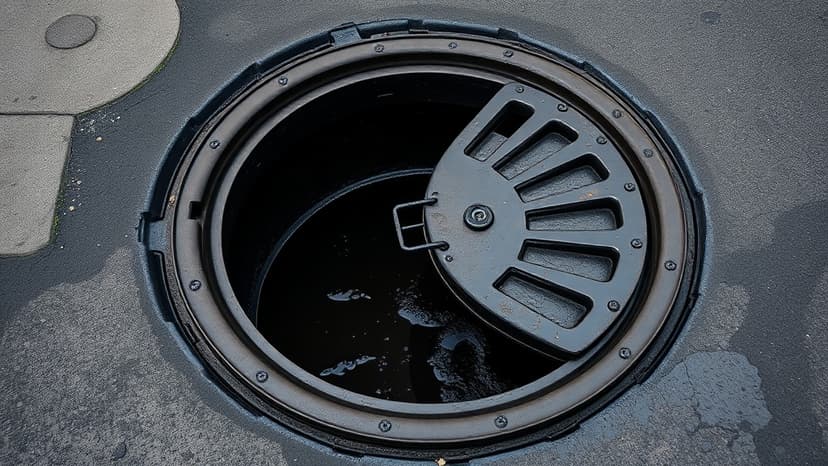
Many of India's urban waterways, known as nallahs, have degraded into open sewers, carrying untreated sewage, industrial waste, and solid garbage, impacting surrounding communities and ecosystems. Despite regulatory efforts, effective management remains a significant challenge, highlighting the need for collaborative solutions beyond just municipal action.
Globally, projects like Seoul's Cheonggyecheon restoration demonstrate successful urban drain revival, turning neglected waterways into vibrant public spaces that improve urban environments. In India, Bengaluru's K100 project also showcases how technical interventions can transform polluted drains into eco-friendly corridors with enhanced amenities.
Technological advancements and the involvement of universities and research institutions are key. These bodies can aid local governments by analyzing water quality and proposing treatment technologies. By fostering collective ownership and partnerships, these efforts can support broader government initiatives to rejuvenate India's vital urban waterways.


