Home / Environment / £6.2M Red Squirrel Fund Criticized for Top-Heavy Spending
£6.2M Red Squirrel Fund Criticized for Top-Heavy Spending
26 Jan
Summary
- Most of a £6.2 million grant for red squirrels is spent on jobs, not fieldwork.
- Volunteer groups receive a 'pittance' compared to administrative salaries.
- Grey squirrels carry a disease deadly to the native red squirrel population.
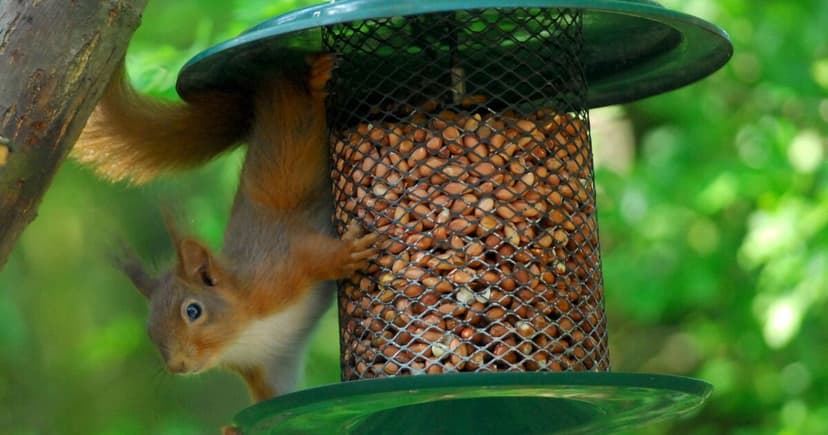
A substantial £6.2 million conservation fund for the UK's native red squirrels is drawing sharp criticism for its disproportionate allocation towards administrative roles over essential fieldwork. Retired police officer Ian Glendinning, chair of UCRS, expressed dismay, stating that a significant portion of the budget is earmarked for creating jobs rather than supporting on-the-ground conservation efforts.
Over a five-year period, the allocated budget includes considerable sums for a programme manager (£250K), a finance officer (£117K), and an information officer (£158K). In stark contrast, community groups like Mr. Glendinning's, which are vital for conservation in areas like Cumbria, Southern Scotland, Merseyside, and Northumberland, have been allocated only £250K. Furthermore, only two rangers will be employed, with an average salary of approximately £16,000 annually.
Volunteer groups, which are actively involved in removing grey squirrels – the carriers of a squirrel pox virus deadly to red squirrels – argue that their contributions are undervalued. Paul Brannan, chair of Bedlington and District Red Squirrels, emphasized the necessity of "boots on the ground" for effective conservation, lamenting that most of the grant might be spent on office personnel and IT equipment. He highlighted that their work, including trapping and humanely euthanizing grey squirrels, requires significant manpower.
The Northumberland Wildlife Trust, however, asserts that the funding application was rigorously assessed by The National Lottery Heritage Fund. They maintain that local red squirrel groups were involved in the application's development and will continue to collaborate. A community grants scheme of £250,000 is available to engage a wider audience, and funds for training and equipment are also accessible to volunteer groups, aiming to enhance their long-term sustainability.