Home / Environment / Atlantic Hurricane Season Ends With Record Quiet
Atlantic Hurricane Season Ends With Record Quiet
11 Nov
Summary
- The 2026 Atlantic hurricane season was unusually quiet, with only one hurricane.
- El Niño's strong winds are credited with suppressing storm development.
- Hurricane Isaias caused significant damage and eight indirect fatalities.
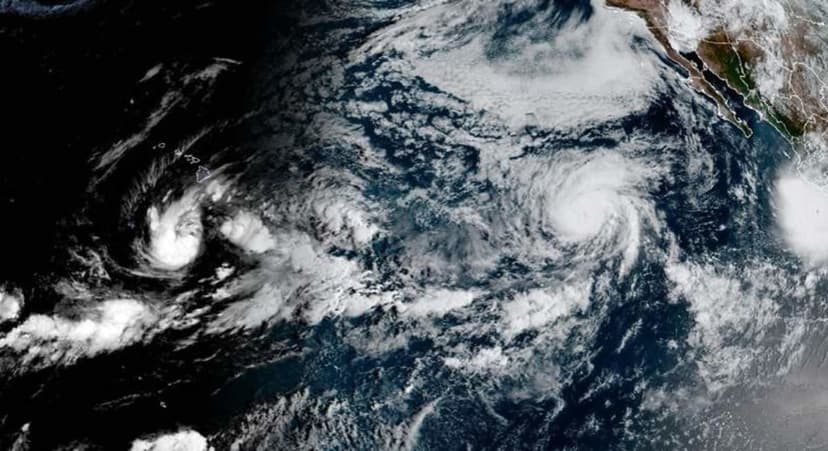
The 2026 Atlantic hurricane season officially ended with a historically quiet record, defying earlier predictions of a more active period. Only ten named storms occurred, with a single system reaching hurricane strength—a rarity not witnessed since 1925.
Forecasters attribute the unusual calm to a robust El Niño phenomenon. This caused strong upper-level winds across the Atlantic, creating vertical wind shear that disrupted the development of tropical systems. Initial forecasts in March anticipated 11 to 16 named storms, but meteorologists revised their outlooks downward as El Niño's impact became evident.
Despite the overall quiet season, some systems caused significant localized damage. Tropical Storm Arthur brought extensive flooding to Texas, while storms like Edouard dumped heavy rain. The most notable event was Hurricane Isaias, which made landfall in Florida on October 8th as a Category 2 storm after strengthening in the Gulf of Mexico. Isaias caused an estimated $16 billion to $20 billion in damage and was indirectly responsible for eight fatalities.
In contrast to the Atlantic's quiet, the Pacific Ocean experienced a hyperactive season with 24 named storms and 13 hurricanes, highlighting a significant geographic disparity in tropical weather activity.


