Home / Environment / Starry Frogs Vanish: Wildlife Photography's Dark Side
Starry Frogs Vanish: Wildlife Photography's Dark Side
3 Jan
Summary
- Seven rare galaxy frogs disappeared after photographers disturbed their habitat.
- Unethical photography practices led to habitat disruption and potential frog deaths.
- The species is already vulnerable, facing threats from habitat loss and now photo tourism.
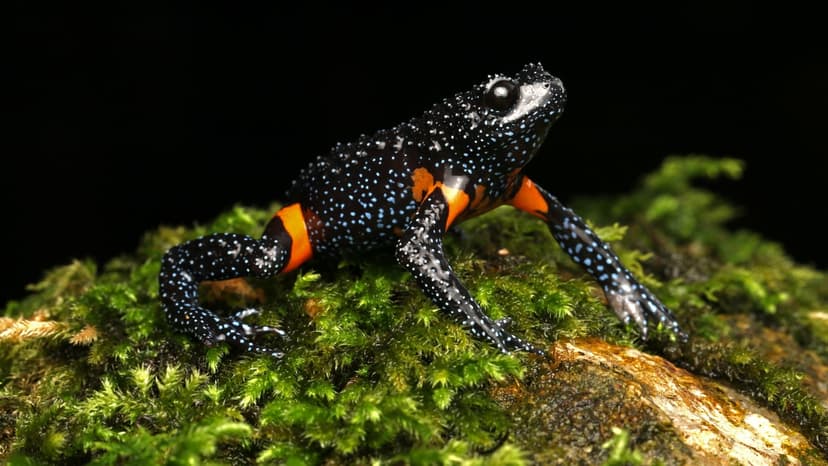
A study published in Herpetology Notes reveals the alarming disappearance of seven rare galaxy frogs from their exclusive habitat in Kerala's Western Ghats. These tiny amphibians, resembling the night sky with their speckles, are believed to be dead after extensive disturbance by wildlife photographers between June 2020 and April 2021. Photographers, seeking 'picturesque backdrops', dislocated their microhabitat and handled the frogs extensively, potentially exposing them to fatal consequences.
The galaxy frog (Melanobatrachus indicus), discovered in 1878, is already classified as vulnerable by the IUCN. Major threats include habitat conversion and landslides. However, unethical photography has emerged as a significant new danger, especially since the species became the flagship for Mathikettan Shola National Park in 2021. The study highlights how photographers' actions, including dislodging logs and prolonged use of high-powered flashes, drastically altered the frogs' delicate environment.
Scientists emphasize the urgent need for ethical standards in wildlife photography, restricting handling, minimizing light exposure, and avoiding habitat disturbance. Experts suggest leaving rare species like galaxy frogs undisturbed to ensure their survival. Regulations and training for tour operators are proposed to mitigate the negative impacts of photo tourism on vulnerable wildlife.