Home / Environment / Wiltshire Plants Rare Black Poplars to Fight Extinction
Wiltshire Plants Rare Black Poplars to Fight Extinction
28 Jan
Summary
- Rare black poplar cuttings are being planted in Wiltshire.
- Fewer than 7,000 of these native trees are believed to remain.
- Conservation efforts aim to protect the species for wildlife and history.
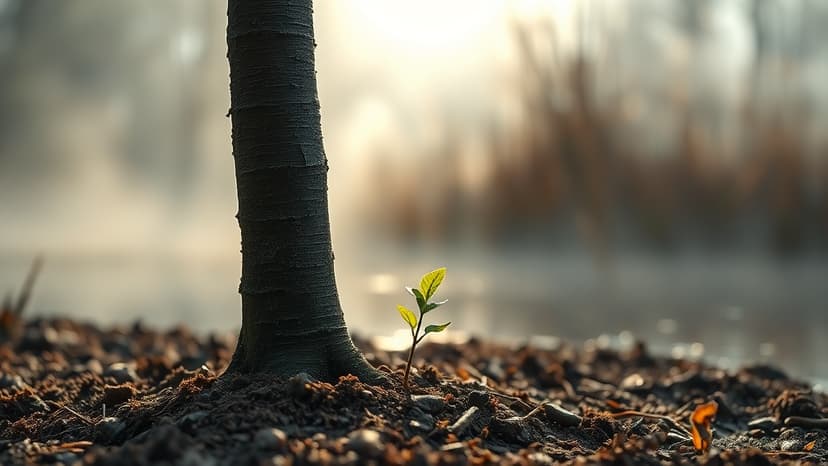
Cuttings from Britain's critically endangered black poplar tree are being planted in Wiltshire as part of a vital conservation effort. Once widespread across ancient floodplains, fewer than 7,000 of these native trees are thought to survive. Councillor Jake Chandler has successfully propagated dozens of cuttings from a Dorset tree and is now planting them in the St Andrews area of Swindon.
Chandler emphasized the trees' deep historical roots in the British Isles and their importance for various insect, bird, and mammal species. He noted the cultural significance of losing a tree so intertwined with British history. The initiative addresses the lack of black poplars in north Swindon and aims to promote local, native woodlands.
Conservationist Alex Atkinson explained that the black poplar's habitat diminished as land was cleared for farming and rivers were straightened. He described the tree as a crucial element of Britain's lost landscape, fitting into broader conservation goals of reconnecting rivers with their floodplains and recreating these historical environments.