Home / Environment / Mussels Choke Swiss Labs, Threaten Power
Mussels Choke Swiss Labs, Threaten Power
18 Dec
Summary
- Invasive quagga mussels are disrupting critical infrastructure in Switzerland.
- These molluscs have devastated ecosystems and now threaten power and data centers.
- Quagga mussels have recently been detected in Northern Ireland for the first time.
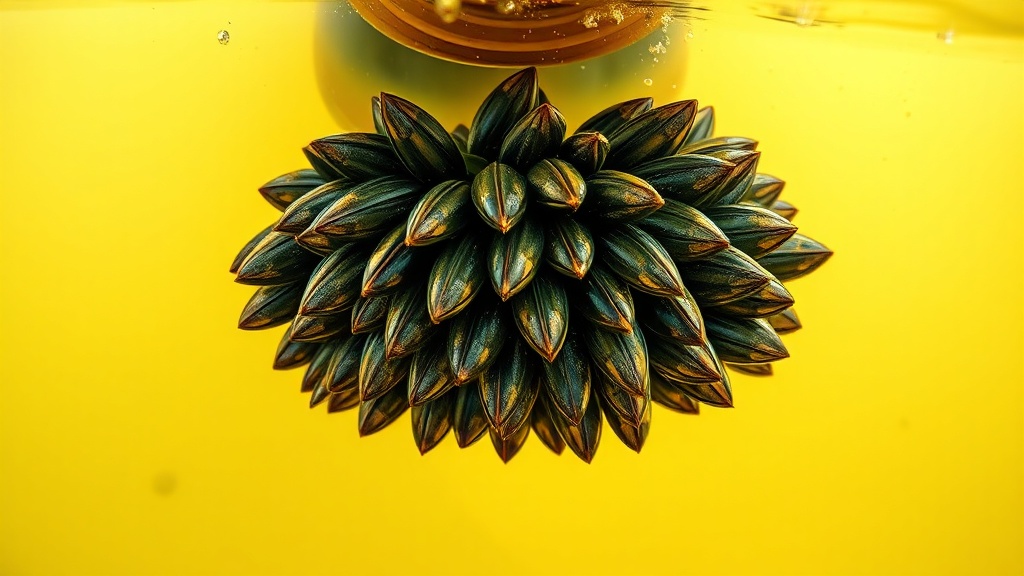
Quagga mussels, an invasive species, are severely impacting infrastructure in Switzerland, notably at the Swiss Federal Technology Institute of Lausanne (EPFL). These molluscs have clogged crucial cooling pipes, reducing heat exchanger efficiency by a third and threatening research, data centers, and even the experimental Tokamak fusion facility. The invasion, first detected in Lake Geneva in 2014, has led to an ecological collapse, with quaggas now comprising nearly 100% of samples and dominating the lake's food chain.
This ecological crisis poses risks beyond research; drinking water systems in Geneva and Lausanne, along with the local airport's cooling infrastructure, are also threatened. The quagga mussels' ability to survive in extreme conditions, breeding rapidly and filtering vast amounts of water, has fundamentally altered Lake Geneva's ecosystem. Experts believe it is too late to reverse the damage within the lake itself.
The species, originating from the Black Sea, has previously caused significant problems in the US Great Lakes, driving fish population collapse and requiring substantial federal funding. This week marked the first detection of quagga mussels in Northern Ireland, prompting urgent calls for increased surveillance. Switzerland plans to begin constructing a new cooling system in 2027, a five-year project aimed at mitigating further quagga-related disruptions.