Home / Environment / Extreme Heat Worsens Food Crisis in Rural Punjab
Extreme Heat Worsens Food Crisis in Rural Punjab
9 Nov
Summary
- Fruit yields have plunged by 50% due to increasing heatwaves.
- Livestock are producing less milk and facing disease outbreaks.
- Women face greater health risks from outdoor labor during heatwaves.
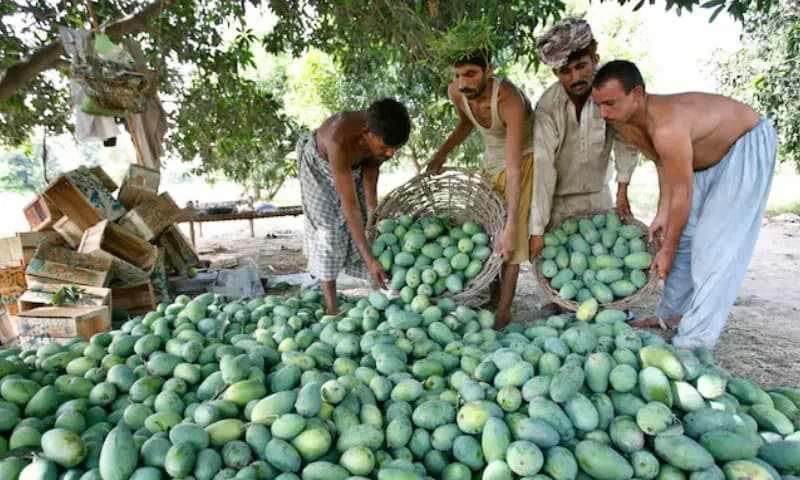
A recent report by UN agencies highlights the severe impact of escalating heatwaves on rural Punjab, leading to significant disruptions in agricultural output and heightened food insecurity. Fruit yields have plummeted by as much as 50% in rain-fed areas, while livestock production is negatively affected by heat stress, resulting in reduced milk yields and an increased incidence of foot-and-mouth disease.
The repercussions extend to household incomes, which have diminished due to reduced agricultural output. Furthermore, perishable goods like vegetables and dairy spoil faster in extreme temperatures, exacerbating food shortages and driving up market prices. This creates a dual challenge for rural families: less nutritious food for consumption and lower income to purchase essentials.
Women are disproportionately affected, enduring prolonged periods of intense outdoor labor, which elevates their risk of heat-related illnesses. Pregnant women face a significantly increased risk of preterm birth, with each 1°C rise in temperature associated with a 4% increase in likelihood, jumping to 26% during heat waves.
Globally, extreme heat is identified as a major risk multiplier for food production, threatening billions. Projections indicate that nearly half the world's cattle could face dangerous heat levels by 2100, potentially causing substantial economic losses. Marine heatwaves are already leading to fish stock migration, and forests face increased wildfire risks.


