

Home / Environment / Pune's Urban Forests: Miyawaki Method to Boost Biodiversity
Pune's Urban Forests: Miyawaki Method to Boost Biodiversity
27 Apr
Summary
- Pune forest department plans Miyawaki forest on one-hectare plot.
- Miyawaki method uses dense, native saplings for rapid forest growth.
- Plantation includes native species to attract local birds and wildlife.
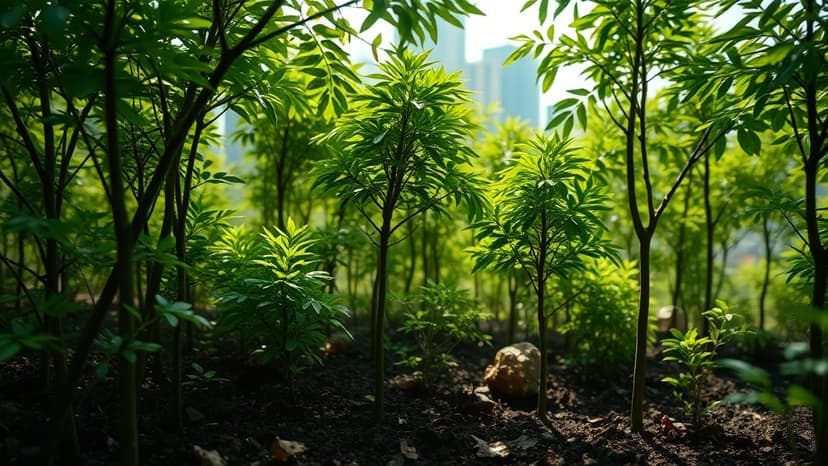
Pune's forest department, in partnership with the Anandvan Foundation, is establishing a Miyawaki forest on a one-hectare site on NIBM Road. This initiative aims to significantly boost urban biodiversity through the creation of dense, native plantations.
The Miyawaki method, originating from Japan, focuses on planting native saplings closely together. This competition for sunlight encourages rapid and taller growth, mimicking natural forest structures with diverse layers of shrubs and trees.
This project marks a shift from previous gliricidia plantations to native species such as karanj, kanchan, and amla. These species are crucial for supporting local biodiversity, attracting birds, and restoring ecological balance. The change is expected to help contain rodent populations within the forest, consequently reducing snake movement into residential areas.
Soil preparation, including loosening and enrichment with compost and moisture-retaining materials, is underway. The plantation is scheduled to commence with the monsoon's arrival, anticipated in late June. Community involvement is planned to foster a sense of collective responsibility for the forest's long-term health. Similar projects are also being considered for other Pune locations.
