Home / Environment / Scotland's Sea Lochs: Hidden Carbon Havens Under Threat
Scotland's Sea Lochs: Hidden Carbon Havens Under Threat
26 Jan
Summary
- Sea lochs can store 84,000 tonnes of organic carbon annually.
- MSPs urged to ban dredging and trawling in key sea lochs.
- Environmental groups call for urgent action on blue carbon.
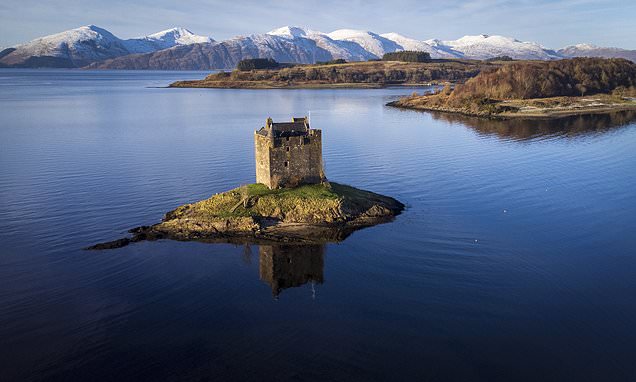
Scottish Members of the Scottish Parliament (MSPs) are being called upon to implement new protections for the nation's sea lochs, a move lauded as a simple yet significant contribution to combating climate change. These lochs, scientifically termed fjords, are crucial for carbon sequestration, with research indicating that 84,000 tonnes of organic carbon are buried annually in their sediments. Labour MSP Sarah Boyack has proposed an amendment to the Natural Environment Bill to ban dredging and trawling in significant portions of these sea lochs.
Environmental organizations, including Stop Climate Chaos Scotland, strongly support this initiative, describing it as an effective "quick win" for climate action. They argue that Scotland already possesses sufficient evidence to justify immediate protection for these carbon-rich areas. The Sustainable Inshore Fisheries Trust (Sift) also backs the amendment, emphasizing that safeguarding these lochs will not only lock up substantial carbon but also position Scotland as a global leader in marine protection and help mitigate climate breakdown.
Furthermore, the Scottish Creel Fishermen's Federation highlights that protecting these sensitive zones can foster a fairer, lower-impact fishing economy. Activities like creeling and hand-diving, which disturb less stored carbon, could thrive, creating local jobs and reducing environmental damage. Climate Action Secretary Gillian Martin acknowledged the importance of blue carbon habitats, stating that the government has powers to restrict fishing for conservation and has published a Blue Carbon Action Plan to address knowledge gaps.