Home / Environment / Portugal's Beaches Vanish: Climate Change Threatens 40% by 2100
Portugal's Beaches Vanish: Climate Change Threatens 40% by 2100
5 Aug
Summary
- 40% of Portuguese beaches could disappear by 2100 due to climate change.
- Coastal development and urban sprawl exacerbate erosion and flooding risks.
- Over 100,000 people live in coastal areas vulnerable to rising sea levels.
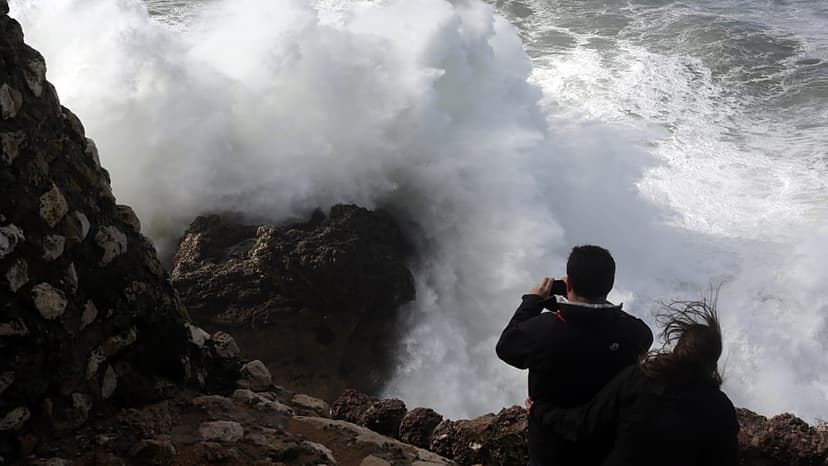
Portugal is confronting significant coastal threats, with a recent report highlighting that climate change and extensive coastal urbanisation could lead to the disappearance of 40% of its beaches by the year 2100. Storms earlier this year exacerbated existing beach erosion, with retreats ranging from 10 to 20 metres, and up to 40 metres in certain locations.
The nation's extensive coastline of 2,500 kilometres is particularly vulnerable. This phenomenon is driven not only by rising sea levels, which are increasing faster than the global average, but also by urban expansion, excessive construction, and the destruction of natural barriers like dunes and salt marshes.
More than 100,000 people reside in coastal areas susceptible to flooding. Specific regions, including Cascais, Aveiro's Costa Nova, and the Lisbon/Setúbal peninsula's Costa da Caparica, are experiencing alarming rates of coastal retreat and increased flood risk.
The report criticizes the inconsistent application of environmental regulations, pointing to luxury developments in protected areas like Sesimbra and Tróia as 'multipliers of critical risks.' Greenpeace advocates for stricter adherence to existing laws and decisive political action to safeguard communities and coastal ecosystems.


