Home / Environment / Portugal's Forests Surge: Boom or Ecological Bust?
Portugal's Forests Surge: Boom or Ecological Bust?
26 Jan
Summary
- Portugal's forests grew 11% annually, far exceeding EU averages.
- Widespread eucalyptus use drives growth but increases wildfire risks.
- Portugal incentivizes native species to combat ecological threats.

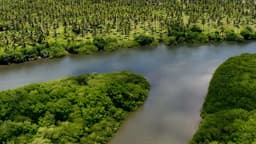
Portugal's forests have seen an extraordinary 11% annual growth rate, far surpassing the modest EU average. This rapid expansion is primarily driven by the widespread cultivation of eucalyptus, a fast-growing tree native to Oceania. While this has positioned Portugal as a major European paper producer, it comes with severe environmental consequences.
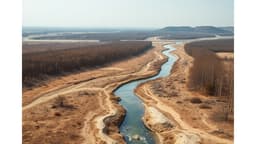
The extensive use of eucalyptus has dramatically increased the risk of wildfires due to its highly flammable foliage. Furthermore, these trees consume vast amounts of water, leading to soil desiccation. In 2025 alone, Portugal lost 263,000 hectares to fires, a significant share relative to its size.
To counter these issues, Portugal is implementing new strategies. The country is enhancing forest mapping and offering incentives to encourage the planting of native species such as holm and cork oak. Initiatives like the Floresta Comun Project are distributing trees, including maritime pines and ash trees, while national and EU funding schemes support oak protection and regeneration efforts.