Home / Environment / Port expansion threatens rare wildlife
Port expansion threatens rare wildlife
26 Feb
Summary
- Buglife warns of irreversible species loss from port expansion.
- Rare bees and butterflies face habitat destruction.
- New habitats promised as part of port development.
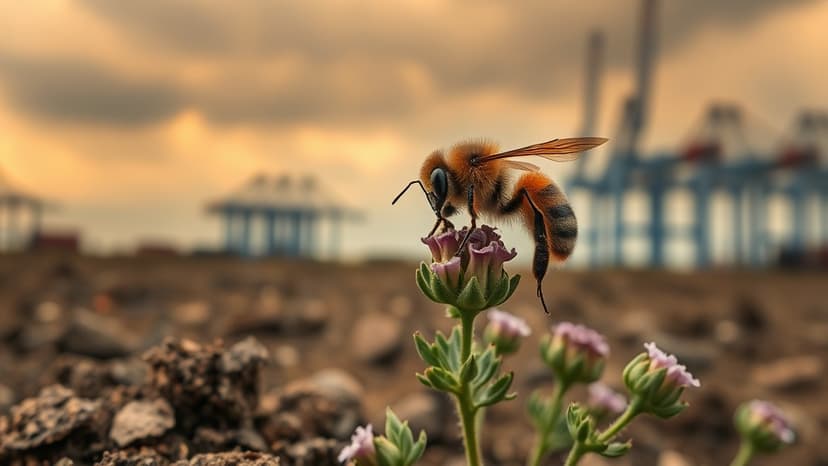
Plans to expand the Port of Tilbury, known as Tilbury3, have been approved by Thurrock Council, but a wildlife charity has raised significant concerns. Buglife has warned that the expansion, which involves developing greenbelt land, poses a severe threat to the area's "beleaguered wildlife."
The charity specifically highlighted the risk to rare species, including the shrill carder bee and the critically endangered stripe-eyed paragus hoverfly. Buglife's Programmes Manager, Jamie Robins, expressed that relying on future habitat creation with unproven techniques is insufficient.
Despite the charity's objections, the council was informed that new habitats would be created to mitigate the impact on affected species. Stuart Wallace, chief executive of Forth Ports, stated that these new habitats would "protect and enhance" the local environment.
Council papers indicated that both Natural England and the Environment Agency were consulted on the expansion plan since 2022. The scheme's impacts are reported to be "fully mitigated and compensated" through a planned 69-acre "compensation site" at Mucking Marshes landfill.
In a separate but related decision, plans to infill the former Buckingham Hill Pit quarry were rejected. Buglife had previously opposed this quarry infill proposal, citing its damage to nature. Robins welcomed this decision, calling it a "mixed" day for conservation efforts.