Home / Environment / Wetlands Dying: Pollution Chokes Flamingo Havens
Wetlands Dying: Pollution Chokes Flamingo Havens
23 Mar
Summary
- Wetlands near Thane Creek Flamingo Sanctuary show severe pollution.
- Water samples reveal dangerously high levels of TDS, pH, BOD, and COD.
- Activists report fewer flamingos visiting affected wetlands this season.
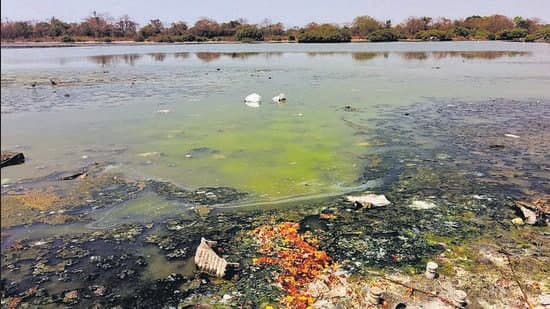
Key wetland ecosystems supporting the Thane Creek Flamingo Sanctuary are experiencing significant degradation due to pollution and obstructed water flow. These areas, crucial for flamingos during tidal cycles, are now showing signs of distress, with water quality parameters far exceeding safe limits. Analysis of water samples revealed extremely high total dissolved solids (TDS), alkaline pH levels, and elevated biological and chemical oxygen demand (BOD and COD), pointing to a heavily polluted and stagnant environment.
Activists attribute this decline to a combination of local stagnation and upstream contamination, including untreated sewage discharge. Field observations have noted a reduction in flamingo presence during the migration period, suggesting a direct impact on the avian population. The compromised tidal circulation prevents natural flushing of contaminants, accelerating the deterioration of these vital habitats.
Environmental groups are highlighting governance failures and planning lapses as major contributing factors to the worsening situation. The unchecked urbanisation and development pressures are seen as overriding ecological safeguards, with flamingos acting as sensitive indicators of environmental change. Concerns have been escalated to national and state leadership, demanding immediate restoration of tidal connectivity and stricter controls on sewage inflow.
The Navi Mumbai Municipal Corporation has initiated its own assessment, collecting water samples for laboratory testing. The findings are expected to guide further action to address the environmental crisis affecting these crucial wetlands and the wildlife they support.