feedzop-word-mark-logo
searchLogin
Feedzop
homeFor YouUnited StatesUnited States
You
bookmarksYour BookmarkshashtagYour Topics
Trending
Terms of UsePrivacy PolicyAboutJobsPartner With Us

© 2026 Advergame Technologies Pvt. Ltd. ("ATPL"). Gamezop ® & Quizzop ® are registered trademarks of ATPL.

Gamezop is a plug-and-play gaming platform that any app or website can integrate to bring casual gaming for its users. Gamezop also operates Quizzop, a quizzing platform, that digital products can add as a trivia section.

Over 5,000 products from more than 70 countries have integrated Gamezop and Quizzop. These include Amazon, Samsung Internet, Snap, Tata Play, AccuWeather, Paytm, Gulf News, and Branch.

Games and trivia increase user engagement significantly within all kinds of apps and websites, besides opening a new stream of advertising revenue. Gamezop and Quizzop take 30 minutes to integrate and can be used for free: both by the products integrating them and end users

Increase ad revenue and engagement on your app / website with games, quizzes, astrology, and cricket content. Visit: business.gamezop.com

Property Code: 5571

Home / Environment / Polar Bears Get Fat Despite Melting Ice

Polar Bears Get Fat Despite Melting Ice

30 Jan

•

Summary

  • Svalbard polar bears surprisingly gained body fat.
  • They feast on land-based prey like reindeer and walruses.
  • Warming temperatures aid hunting of seals in smaller ice areas.
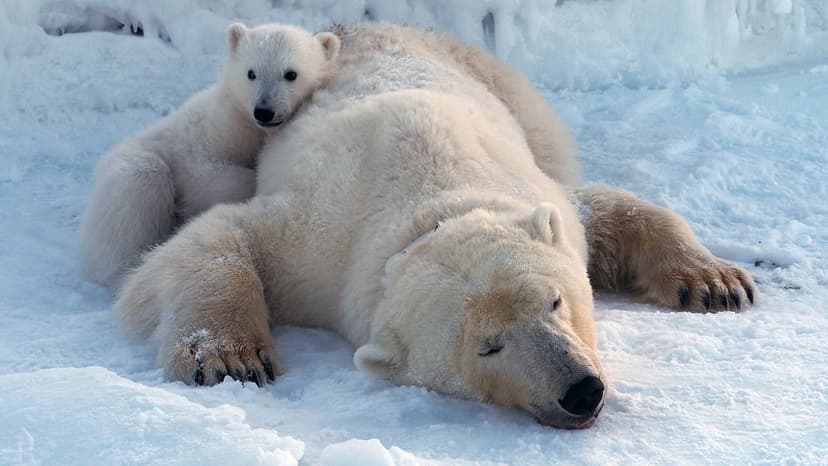
Polar Bears Get Fat Despite Melting Ice

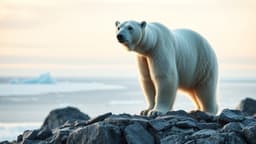
Polar bears in Norway's Svalbard archipelago have unexpectedly gained body fat, contrary to trends observed elsewhere in the Arctic. Despite significant sea ice loss, these bears have shown an increase in their body condition index between 1995 and 2019.

This surprising trend is attributed to their successful adaptation of feeding on land-based prey. Recovered populations of reindeer and walruses have become a significant food source for the Svalbard bears.

Additionally, warmer temperatures have improved their hunting efficiency for ringed seals, which are now concentrated in smaller sea ice areas. This contrasts with polar bears in regions like Hudson Bay, where declining body condition has been observed.

trending

Ohio snow emergency declared

trending

TikTok down in United States

trending

Andreeva matches Venus Williams' feat

trending

Warrington Hospital baby death

trending

Alexander Zverev advances in Australia

trending

Oilers host Capitals

trending

London celebrates Chinese New Year

trending

Liza Minnelli defends AI use

While the improved health of Svalbard's polar bears is noted as good news, scientists caution that they are still likely to be negatively impacted by continued warming and shrinking sea ice in the future.

Disclaimer: This story has been auto-aggregated and auto-summarised by a computer program. This story has not been edited or created by the Feedzop team.
Svalbard polar bears are gaining body fat by feasting on land-based prey like reindeer and walruses, and finding it easier to hunt seals in smaller ice areas due to warmer temperatures.
Warming Arctic temperatures have led to faster sea ice loss in the Barents Sea, but paradoxically, Svalbard polar bears have improved their body condition by adapting their diet and hunting strategies.
No, the improved physical health of polar bears in Svalbard is an unexpected finding. In other Arctic regions, such as Hudson Bay, polar bears have shown declining body condition due to warming.

Read more news on

Environmentside-arrowNorwayside-arrow

You may also like

Eight-Year-Old's Unforgettable Polar Adventures

26 Jan • 20 reads

article image

Arctic Race: Churchill's Port Revival Amidst Global Scramble

13 Dec, 2025 • 193 reads

article image

Wildlife's Wildest Moments: 2025's Best Shots

10 Dec, 2025 • 294 reads

article image

Alaska Wolves: Mercury's Toxic Path Revealed

27 Nov, 2025 • 274 reads

article image

Arctic Wildlife Beyond Bears: A Hidden World

23 Nov, 2025 • 264 reads

article image