

Home / Environment / Poland's Anti-Smog Program Falters, Health & Security at Risk
Poland's Anti-Smog Program Falters, Health & Security at Risk
9 Apr
Summary
- Anti-smog program applications have decreased significantly since 2026.
- Krakow's smog days reduced from 150 to 30 annually due to the program.
- Energy security is threatened by Poland's continued reliance on fuel imports.
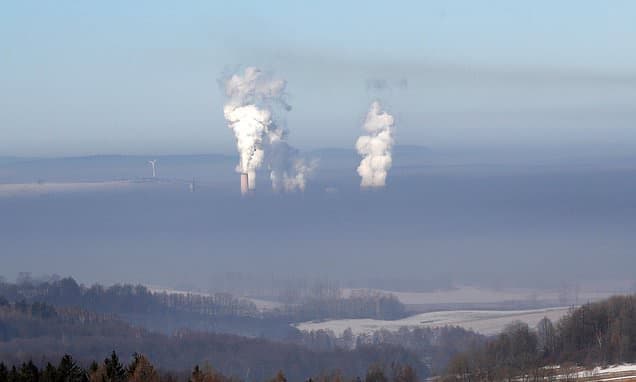
Poland's ambitious "Clean Air" initiative, a national program to tackle severe air pollution from household heating, is experiencing a significant downturn. Launched in 2018, the program aimed to replace millions of coal-fired boilers and improve home insulation. While it demonstrably improved air quality in cities like Krakow, reducing heavy smog days from 150 to 30 annually, its effectiveness is now waning.
Applications for the program's funding saw a sharp decline after a reform in 2024, with 2025 numbers five times lower than the program's peak. Environmentalists express concern that this slump jeopardizes progress in air quality and energy efficiency. The Polish government acknowledges the unique challenge of widespread coal heating but aims to ensure funds are used for worthy projects.
This decline in the "Clean Air" program has direct implications for Poland's energy security. With global conflicts destabilizing fuel supplies, a reduced dependence on imported gas, coal, and pellets through energy efficiency is crucial. Experts emphasize that modernizing buildings via this program presents an opportunity to decrease reliance on volatile energy markets and mitigate future crises.
