

Home / Environment / Plastic Roads: Paving Paradise or Peril?
Plastic Roads: Paving Paradise or Peril?
28 Apr
Summary
- Hawaii tests recycled plastic in asphalt for roads.
- Researchers study plastic road dust and potential runoff.
- Long-term environmental impact and chemical leaching are concerns.
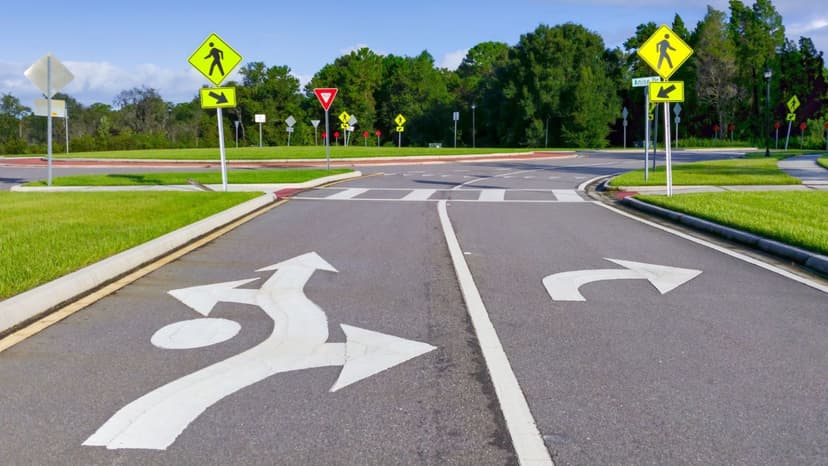
In Hawaii, a groundbreaking project is evaluating the use of recycled plastics in asphalt for road construction, seeking to mitigate plastic waste while potentially enhancing road durability. Scientists are diligently monitoring these experimental roads, subjecting them to varied environmental stresses like traffic, heat, and rain. Their research involves analyzing road dust and simulating rainwater runoff to detect any release of plastic particles into the surrounding ecosystem.
Preliminary results suggest that microplastic levels have not significantly increased compared to conventional roads. However, researchers emphasize that these findings are initial, and a comprehensive understanding of the long-term impacts is still developing. The project utilizes common plastic waste, such as milk jugs and containers, with some mixtures incorporating additives to improve flexibility. A key focus is on the potential for chemicals within the plastics to leach out over time, posing health concerns related to hormones, inflammation, and reproduction.
Experts note that Hawaii's unique tropical climate, characterized by intense rainfall and volcanic activity, presents specific challenges for road stability. The effectiveness of plastic-asphalt mixtures may vary significantly between different geographical conditions, such as Hawaii and the Midwestern United States. This ongoing research, led by scientists at Hawai'i Pacific University's Center for Marine Debris Research, combines controlled road trials with scientific meeting presentations, contributing to a clearer picture of the potential benefits and risks associated with this innovative approach.
