Home / Environment / Plastic's Recycling Myth Exposed: Production Surges Unchecked
Plastic's Recycling Myth Exposed: Production Surges Unchecked
26 Jan
Summary
- Recycling alone cannot solve plastic pollution as production increases.
- Most plastic is landfilled, burned, or pollutes oceans.
- Governments must reduce plastic production and ban single-use items.
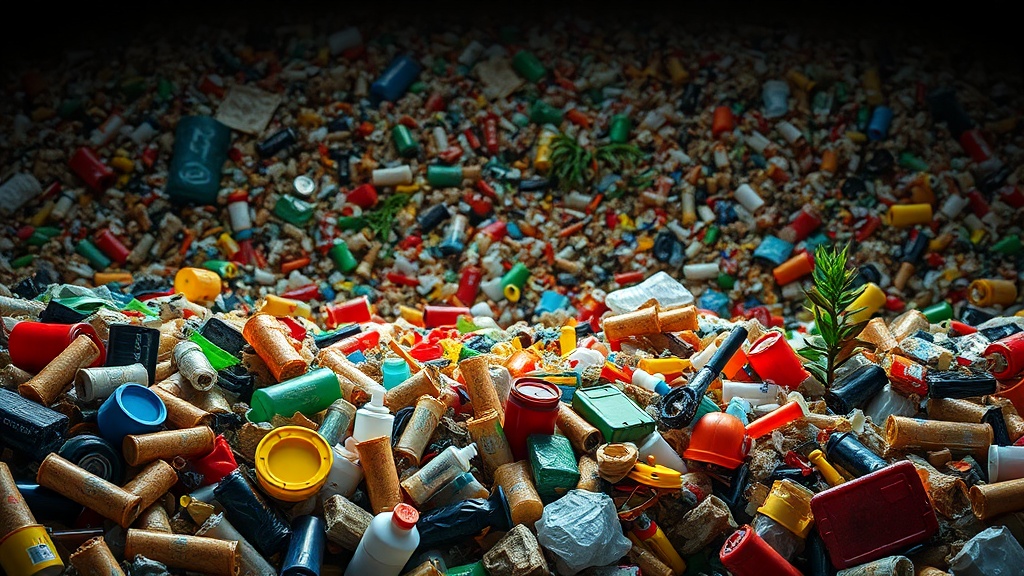
The notion that effective plastic recycling can resolve the global pollution crisis is a deceptive myth, particularly as plastic production escalates without adequate control. In reality, a minimal portion of plastic waste is recycled, with the majority being discarded in landfills, incinerated openly, or finding its way into marine environments through rivers.
Plastic's complex variety and the difficulties in large-scale recycling make it a persistent challenge. Despite claims of 'chemical recycling' breakthroughs, these facilities process insignificant waste volumes and often convert plastic into fuel, exacerbating pollution. Pakistan exemplifies the dire consequences, with single-use plastics overwhelming weak waste management systems and causing environmental damage.
Addressing this requires a fundamental shift from relying on recycling alone. Governments worldwide must prioritize reducing plastic output at its origin. This involves limiting new plastic production, prohibiting unnecessary single-use items, and enforcing producer responsibility for the waste generated by their products.
Effective strategies include implementing deposit schemes, ensuring clear product labeling, and penalizing excessive packaging. In Pakistan specifically, strengthening waste segregation, regulating burning and incineration, and supporting local, affordable alternatives are crucial steps. While public awareness is valuable, it cannot substitute for robust governmental regulation and a focus on confronting plastic production itself.