Home / Environment / Tiny Plastics Worsen Global Warming
Tiny Plastics Worsen Global Warming
5 May
Summary
- Airborne microplastics and nanoplastics absorb sunlight, contributing to global heating.
- Colored plastic particles absorb significantly more light than non-pigmented ones.
- The warming impact from plastic pollution is estimated at 16% of black carbon's effect.
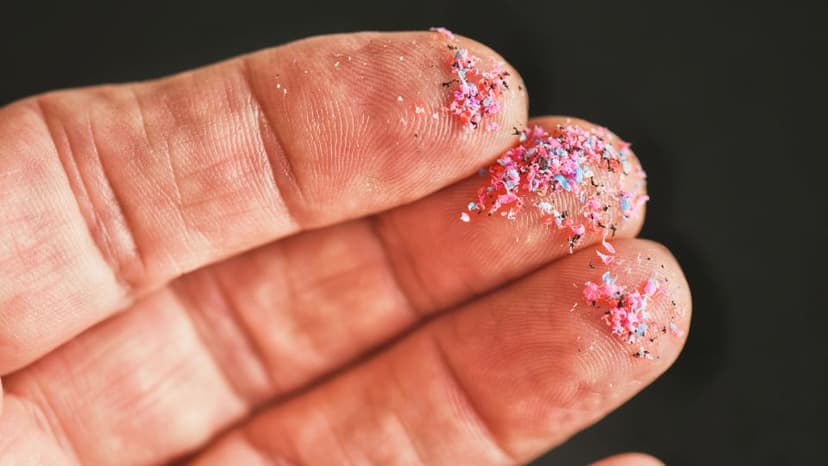
Scientists have discovered that microplastics and nanoplastics, whipped into the atmosphere from sources like the Great Pacific Garbage Patch, landfills, and car tires, are contributing to global warming. These minuscule particles absorb sunlight, exerting a warming influence on the planet.
Unlike previous assumptions that microplastics had a negligible effect, new research indicates that colored plastic particles absorb considerably more light than clear ones. These particles act like heat sponges, with smaller nanoplastics being particularly potent due to their prolonged presence in the air. The study found that the warming impact of these plastics is roughly 16% of that caused by black carbon, a potent pollutant.
While the precise quantity of plastic particles in the atmosphere remains challenging to measure, researchers are confident that the net effect is warming. The findings suggest that current climate models may need updates to incorporate this previously overlooked factor in plastic pollution's contribution to climate change.


