Home / Environment / Airborne Plastic Triggers Cloud Formation
Airborne Plastic Triggers Cloud Formation
8 Jan
Summary
- Plastic particles found suspended in air above Chinese cities.
- These particles can trigger cloud formation and redeposit as rain.
- New study reveals atmospheric plastics are more abundant than thought.
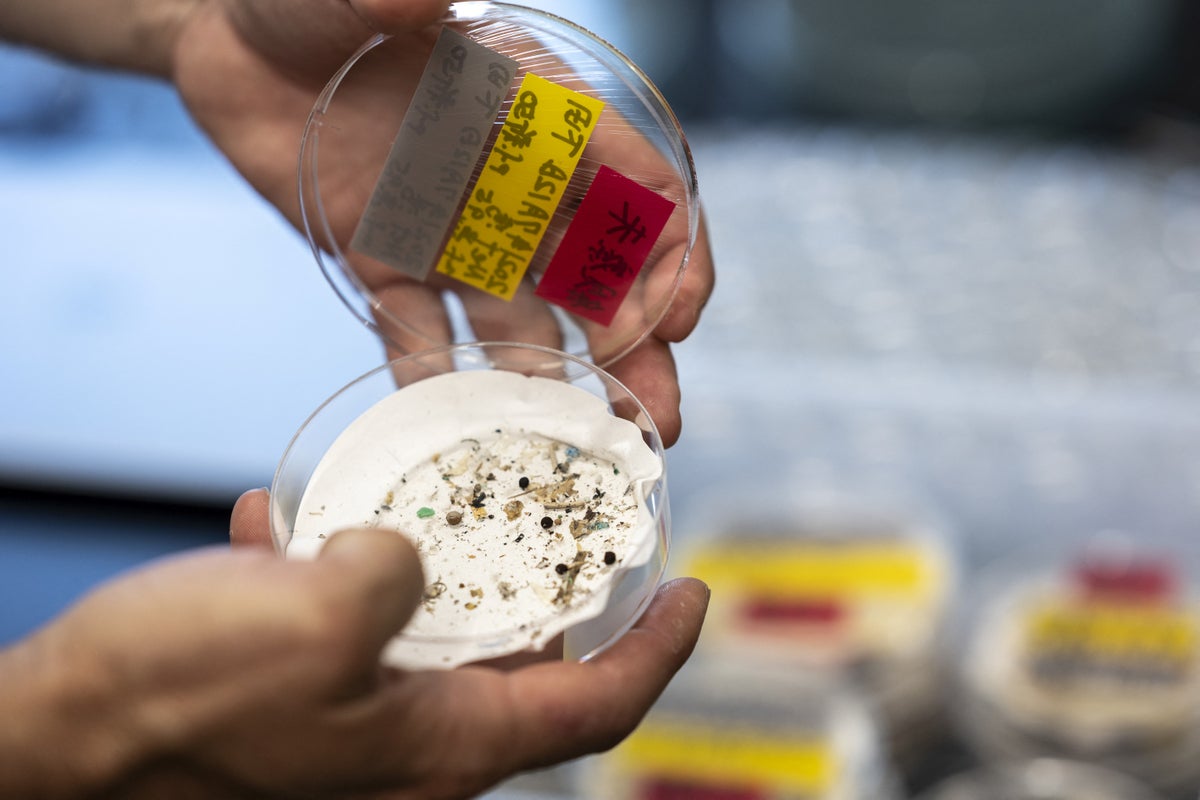
Chinese scientists have detected clouds laden with plastic particles in the atmosphere above Guangzhou and Xi'an. These microplastic and nanoplastic particles are small enough to remain suspended for extended periods and can initiate cloud formation. This suggests that atmospheric plastics are significantly more prevalent than earlier studies indicated, with implications for understanding the global plastic cycle.
The study employed an innovative method to detect particles as small as 200 nanometers, measuring their presence in aerosols, deposition, and resuspension. Researchers found that fluxes varied significantly, driven primarily by road dust and rainfall. These findings represent the most detailed measurements to date of plastics in the urban atmosphere.
While not directly claiming a measurable impact on global climate, the research highlights the dominant role these particles play in cloud formation. The results offer crucial insights into the transformation, fate, and potential implications of atmospheric microplastics for climate, ecosystems, and human health.