Home / Environment / Camels digest plastic blobs, scientists stunned
Camels digest plastic blobs, scientists stunned
1 Feb
Summary
- Plastic clumps called polybezoars cause 1% of camel deaths in UAE.
- These plastic masses grow to the size of a large suitcase.
- Other land animals, like bears and elephants, also die from plastic ingestion.
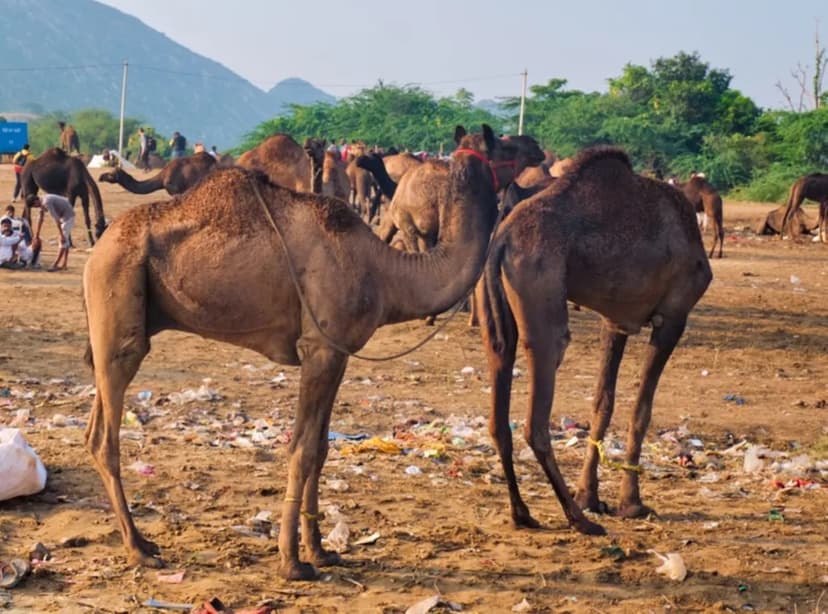
Plastic pollution is taking a devastating toll on land animals, with scientists recently discovering large plastic agglomerations inside deceased camels. Researchers Marcus Eriksen and Ulrich Wernery documented polybezoars, plastic clumps ranging from basketball-sized to that of a large suitcase, which are responsible for approximately 1% of camel fatalities in the UAE. Eriksen described the autopsies as surreal, noting that camels mistake discarded plastic for food due to their desert environment.
The ingestion of plastic leads to severe intestinal blockages, internal lacerations, and a toxic environment within the camels' digestive systems, resulting in a slow and painful death. This alarming issue is not isolated to camels; a bear in Colorado and two elephants in Sri Lanka have also died from plastic waste obstructing their digestive tracts.
Growing public concern over plastic waste and its impact on wildlife is driving calls for stricter government regulation. Canada implemented a ban on single-use plastics in 2021, with other regions, such as Massachusetts, taking similar measures. Individuals can contribute by improving recycling practices and adopting reusable alternatives to single-use plastics.